



CES 2025 in Las Vegas lived up to its reputation as the world’s most influential tech showcase. From groundbreaking laptops and futuristic EVs to playful robots and next-gen gaming devices, the event offered a glimpse into the future of consumer technology. With thousands of attendees crowding the halls, major brands and daring startups unveiled products that will shape the tech landscape for years to come.
A Week of Innovation and Imagination
The week-long show featured everything from laptops with expandable screens to smart TVs powered by AI. Sony and Honda revealed details about their first collaborative EV, while Samsung, LG, and Panasonic battled for attention in the premium TV space. Robotics stole headlines as well — whether it was a robovac with arms, legs, or even interchangeable heads.
Even beyond the polished booths, the atmosphere was electric. Attendees sprinted between venues to catch hands-on demos, keynote speeches, and surprise product launches.
LG and Panasonic Push Display Technology
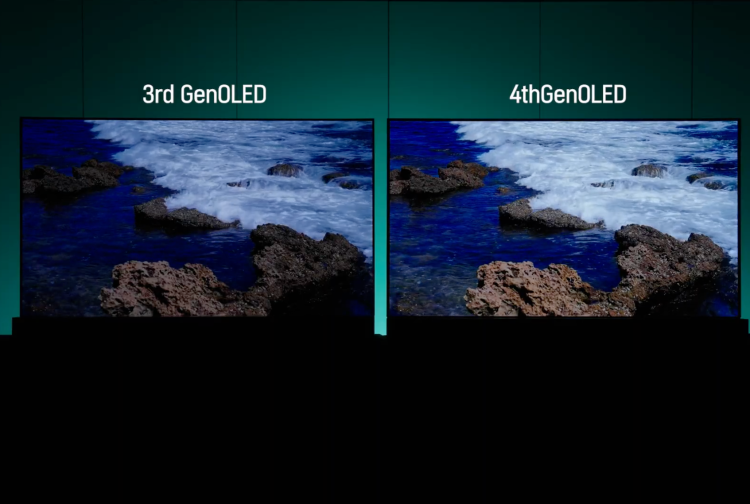
LG Display unveiled a four-layer tandem OLED panel capable of reaching 4,000 nits peak brightness, a first in the industry. Panasonic quickly capitalized, showcasing its flagship Z95B OLED TV powered by the new display technology. The combination of stunning visuals and AI-optimized performance reaffirmed that OLED is still king in premium displays.
Nvidia Packs the House
Nvidia drew over 14,000 attendees for the unveiling of its RTX 50-series GPUs. These cards set the stage for a wave of gaming laptops and PCs launching throughout 2025. Manufacturers including Dell, Asus, Lenovo, and Razer introduced refreshed models that promise more power, efficiency, and immersive graphics.
Honda’s Bold EV Strategy
Honda made waves with futuristic EV concepts and ongoing talks of a potential merger with Nissan. If finalized, the deal could reshape the automotive industry, allowing Japanese automakers to better compete against Chinese manufacturers in the global EV race.
The Rise of Autonomous Vehicles
One of the show’s most buzzworthy moments came courtesy of Zoox, Amazon’s autonomous driving subsidiary. Its second-generation robotaxi stole the spotlight with its futuristic design. The vehicle is symmetrical, bidirectional, and entirely steering-wheel free — resembling an oversized toaster more than a car.
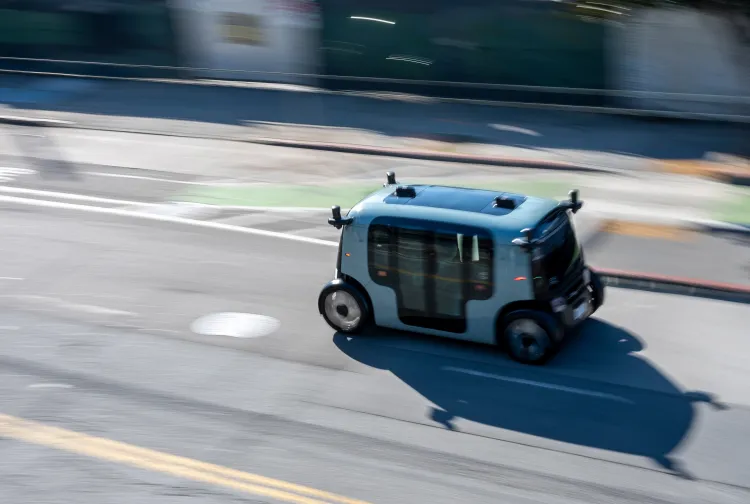
After over a decade of development, Zoox finally invited journalists to test the shuttle in Las Vegas. For many, it offered a tangible preview of what urban mobility could look like in the near future.
Smart Home Frustrations with Matter
Smart home enthusiasts had high hopes for Matter, a universal standard meant to unify devices across brands like Apple, Amazon, and Google. Yet CES 2025 revealed the project’s growing pains. Connectivity issues, limited device support, and interoperability hurdles continue to frustrate consumers.
While the protocol promises simplicity, adoption has been slow. Until the ecosystem stabilizes, Matter risks losing momentum in a space already crowded with competing platforms.
Gaming Gets a New Battlefield
Gaming also dominated headlines, with both hardware and software announcements drawing crowds.
Switch 2 vs. Handheld PCs
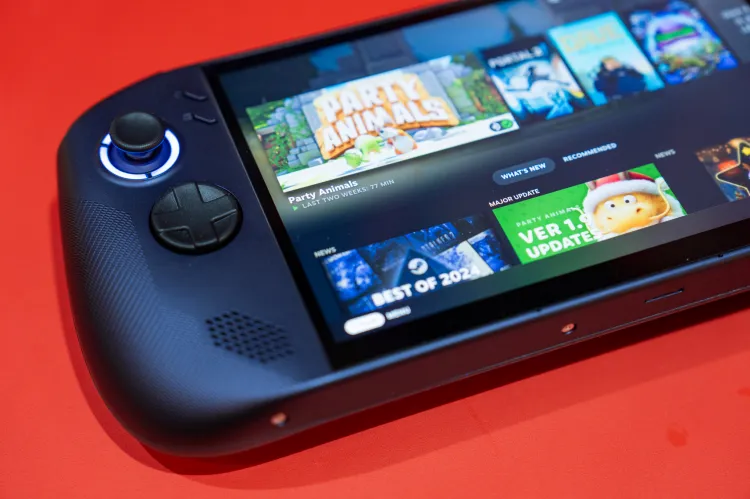
Nintendo confirmed that the Switch 2 will launch in 2025, but this time the company faces stiff competition. Devices like Valve’s Steam Deck and Lenovo’s Legion Go 2 are already redefining handheld PC gaming. Valve’s decision to make SteamOS available for other devices in April could ignite an entirely new wave of portable gaming machines, challenging Nintendo’s dominance.
Lenovo’s Legion Go 2 Shines
Among handhelds, Lenovo’s Legion Go 2 stood out as one of the best prototypes of CES. With detachable controllers, a kickstand, and seamless Windows or SteamOS integration, it demonstrated just how quickly the category is maturing.
Robot Vacuums and Everyday AI
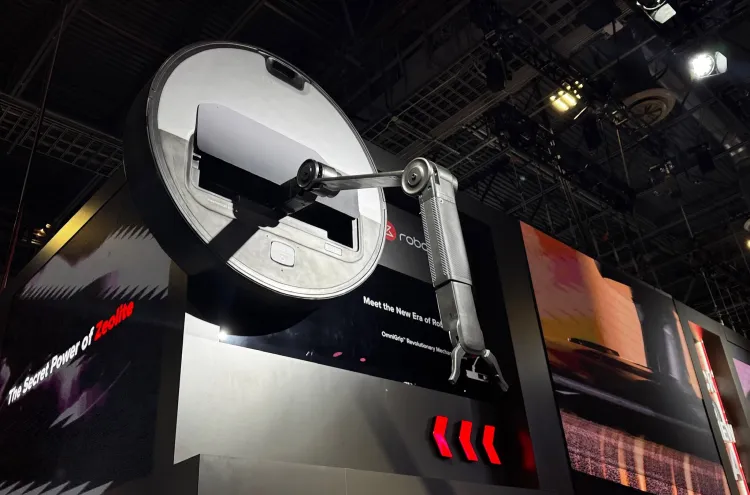
CES 2025 was also a showcase for the strange and the whimsical. Robot vacuums evolved from simple floor cleaners into multi-functional AI-powered assistants. Models with arms, legs, and modular attachments teased a future where household robots can adapt to more than just dirt and dust.
While many prototypes leaned toward gimmick, the underlying innovation was clear: robotics companies are racing to expand the definition of home automation.
Wearables, Wellness, and AR Glasses
Wearables continued to push boundaries, blending health, fashion, and productivity.
One of the most surprising demos came from Rokid Glasses, a pair of AR smart glasses capable of real-time language translation. The lightweight headset projected live captions and translations directly onto the lenses, opening the door to seamless global communication.
On the wellness front, attendees wrestled with the harsh desert climate of Las Vegas, which served as an unintentional stress test for skincare gadgets. From hydration-monitoring wearables to AI-driven beauty devices, CES proved once again that wellness tech is big business.
Photography and Projection Tech
Photography brand Godox introduced the MA5R, a magnetic LED power bank designed for smartphones. It combines portable charging with built-in diffused lighting, catering to content creators who need studio-quality photos on the go.
Meanwhile, Valerion’s VisionMaster Max projector attracted home theater enthusiasts. With swappable lenses and support for a wide range of room sizes, it blurred the line between professional-grade projectors and consumer-friendly devices.
TVs and Cars: The Heart of CES
CES remains, at its core, a TV show and a car show. While LG, Samsung, and Panasonic showcased their latest panels, Sony made headlines with its Afeela EV, an ambitious but controversial project due to its steep pricing.
Cars and TVs may be CES staples, but they highlight how traditional industries are being redefined by digital innovation.
Frequently Asked Questions:
What is CES 2025 and why is it important?
CES 2025 is the world’s largest consumer technology showcase, where global brands and startups unveil their latest innovations, shaping the future of tech.
Where did CES 2025 take place?
CES 2025 was hosted in Las Vegas, Nevada, bringing together thousands of companies, journalists, and tech enthusiasts from around the world.
Which companies made the biggest announcements at CES 2025?
Major announcements came from LG, Panasonic, Nvidia, Sony, Honda, Dell, and Lenovo, covering TVs, EVs, gaming, and AI-powered devices.
What were the most exciting gadgets unveiled at CES 2025?
Highlights included LG’s record-bright OLED TV, Honda’s futuristic EV concepts, Zoox’s autonomous robotaxi, Lenovo’s Legion Go 2 handheld, and AI-driven robot vacuums.
Did CES 2025 feature any breakthrough in gaming technology?
Yes, Valve announced SteamOS support for multiple handhelds, Lenovo showcased the Legion Go 2, and Nintendo confirmed the upcoming Switch 2.
What role did AI play at CES 2025?
AI was everywhere — from smarter TVs and handheld gaming devices to advanced robot vacuums and AR glasses with real-time translation.
Were there any surprises at CES 2025?
Unexpected highlights included playful robot pets, AR glasses with instant translations, wellness gadgets for dry climates, and innovative projector upgrades.
Conclusion
CES 2025 proved once again why it remains the most influential stage for technology. From dazzling OLED displays and AI-powered home devices to autonomous vehicles and next-gen gaming systems, the event offered a clear preview of where innovation is headed. The show highlighted not just futuristic prototypes but also practical solutions that will soon shape everyday life. What stood out most was the balance between ambitious experimentation and real-world application. Companies like LG, Panasonic, Nvidia, and Honda showed that while bold ideas drive excitement, the real power of CES lies in technologies that are ready to transform how we live, work, and play.
