


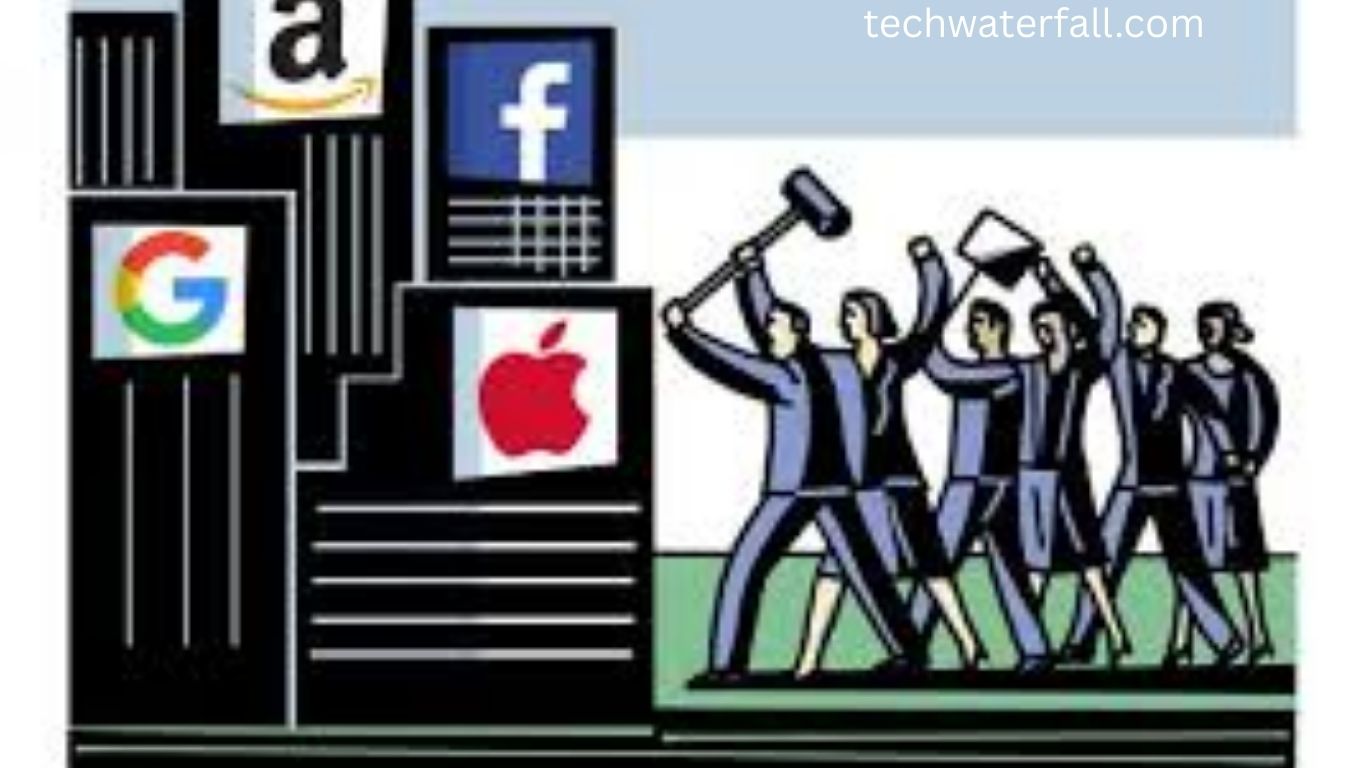
As Europe prepares for strict enforcement of its Digital Markets Act (DMA), the United States has launched its own landmark legal battle against Big Tech. On April 14, 2025, the U.S. District Court for the District of Columbia began hearing the Federal Trade Commission’s (FTC) antitrust case against Meta, the parent company of Facebook, Instagram, and WhatsApp.
The case challenges Meta’s past acquisitions of Instagram and WhatsApp, alleging that these deals were designed to crush competition rather than promote innovation. While the mergers took place over a decade ago, the trial underscores how antitrust enforcers remain determined to curb tech monopolies, even if it means revisiting deals long considered “settled.”
What makes this case even more remarkable is its timing: a period when the line between politics and law enforcement in Washington feels increasingly blurred. The presiding judge is also handling unrelated high-profile cases involving the administration’s migrant policies, reflecting the intense political climate in which the Meta trial unfolds.
Read More: 5G Breakthrough: Transforming Lives, Powering Innovation, and Reshaping the Future
Meta’s Strategy: “Better to Buy Than Compete”
Between 2010 and 2014, the digital world rapidly shifted from desktop to mobile, and Meta (then Facebook) struggled to adapt. To maintain dominance, the company pursued an aggressive acquisition strategy, targeting rising competitors.
Internal emails revealed during the FTC’s investigation highlight CEO Mark Zuckerberg’s philosophy: “It is better to buy than compete.”
This mindset drove Meta’s acquisitions of Instagram in 2012 and WhatsApp in 2014. The company also acquired Onavo, a VPN service that doubled as a surveillance tool for tracking fast-growing apps. Onavo’s data allowed Meta to spot potential rivals early and either imitate or acquire them before they became serious threats.
Merger Control Loopholes: A Regulatory Blind Spot
Meta’s acquisitions initially sailed through both U.S. and European regulatory reviews. Instagram’s purchase wasn’t even examined by the European Commission because its revenues fell below the required thresholds at the time.
This loophole exposed a weakness in merger laws: innovative but small startups could be swallowed by giants before their true market potential became apparent. In response, Germany and Austria later introduced new transaction value thresholds, ensuring that high-value acquisitions of low-revenue startups could be reviewed.
At the EU level, regulators attempted a similar workaround by stretching existing merger rules. However, the European Court of Justice struck down the Commission’s attempt in the Illumina/Grail case, limiting Brussels’ ability to expand its jurisdiction without formal legislative changes.
FTC’s Complaint: Ex-Post Merger Control
The FTC’s lawsuit against Meta represents a rare ex-post challenge—an attempt to unwind mergers years after approval.
Originally filed in December 2020, the case was dismissed in mid-2021 due to insufficient evidence. But the FTC came back with an amended complaint in August 2021, this time focusing on unlawful monopolization under Section 2 of the Sherman Act and unfair competition under the FTC Act.
The FTC argues that Meta’s acquisitions of Instagram and WhatsApp deprived consumers of real competition. Instead of improving its own services, Meta allegedly relied on acquisitions to neutralize threats. By eliminating rivals, Meta reduced consumer choice, weakened innovation, and consolidated its power in social networking.
Among the remedies sought, the FTC demands structural separation of Instagram and WhatsApp, along with stricter oversight of Meta’s future acquisitions.
Meta’s Defense: Competition Thrives, Not Suffers
Meta strongly rejects the FTC’s claims, calling the case a “weak attempt that ignores reality.”
The company argues that it faces intense competition from TikTok, YouTube, and other platforms, proving that social media is not a one-company market. Meta also points out that it has improved Instagram and WhatsApp, offering them for free while expanding features.
Another pillar of Meta’s defense is legal certainty. If regulators can unwind mergers a decade later, companies may hesitate to invest, undermining innovation across industries. Finally, Meta has framed itself as a “great American company” unfairly targeted, particularly at a time when the government resists forcing the sale of TikTok, a Chinese-owned rival.
The Bigger Picture: Rethinking Antitrust Tools
The case highlights how traditional antitrust frameworks struggle to keep pace with digital markets. In fast-moving tech sectors, acquisitions can eliminate competition before regulators recognize the threat.
Ex-post reviews like the FTC’s are controversial but may become necessary when patterns of acquisitions reveal systematic monopolization strategies. Still, the number of cases where such remedies are applied is likely to remain small, reserved for the most clear-cut examples of anticompetitive intent.
The trial also resonates in Europe. The Towercast ruling by the EU’s top court confirmed that national authorities can reassess mergers under abuse of dominance law, even if they initially escaped scrutiny. Together, these developments suggest a growing willingness on both sides of the Atlantic to revisit the antitrust rulebook.
Political Frictions Inside the FTC
The FTC’s pursuit of Meta has not been without internal divisions. Commissioner Christine Wilson issued a dissent, warning that overturning old mergers undermines the integrity of the merger review process. She echoed Meta’s argument that ex-ante certainty is vital for business investment.
The case has also been clouded by controversy around Lina Khan, the FTC chair known for her aggressive stance against Big Tech. Meta sought her recusal, citing bias due to her academic work critical of digital monopolies, but the commission rejected the request. Meanwhile, political reshuffling has left the FTC short of its usual five commissioners, raising questions about the stability of U.S. antitrust enforcement.
Frequently Asked Questions:
What is the Big Tech antitrust showdown about?
The showdown refers to growing legal and regulatory actions in the U.S. and Europe targeting Big Tech companies like Meta, Google, Apple, and Amazon for alleged monopolistic practices.
Why is Meta under antitrust scrutiny?
Meta is accused of unlawfully acquiring Instagram and WhatsApp to eliminate competition, a strategy regulators argue harmed innovation and consumer choice.
How is Europe tackling Big Tech power?
Europe is enforcing the Digital Markets Act (DMA), which imposes strict obligations on major digital platforms and requires them to notify regulators about all acquisitions.
What role does the FTC play in the U.S. case?
The Federal Trade Commission (FTC) leads the U.S. lawsuit against Meta, seeking potential remedies such as divestiture of WhatsApp and Instagram.
Why is the Meta case considered historic?
It’s rare for regulators to challenge mergers years after approval. The case could set a new precedent for ex-post merger control in antitrust law.
How does Meta defend itself?
Meta argues that it faces strong competition from TikTok and YouTube, improved Instagram and WhatsApp for free, and that revisiting old mergers undermines investment certainty.
What other Big Tech companies are under investigation?
Google faces antitrust cases over its search dominance, while Apple and Amazon are under scrutiny for their market practices in both the U.S. and EU.
Conclusion
The antitrust battles unfolding across the Atlantic mark a defining chapter in the struggle to regulate Big Tech. With Meta’s trial in the U.S. and Europe’s Digital Markets Act reshaping digital rules, regulators are signaling that unchecked dominance will no longer be tolerated. While Meta argues that its acquisitions fueled growth and innovation, critics see them as a calculated strategy to eliminate rivals. The outcome of these cases will resonate far beyond Silicon Valley, influencing how governments worldwide safeguard competition in the digital age. Whether through ex-ante regulations in Europe or ex-post litigation in the U.S., one message is clear: the era of Big Tech operating without meaningful accountability is coming to an end.
