


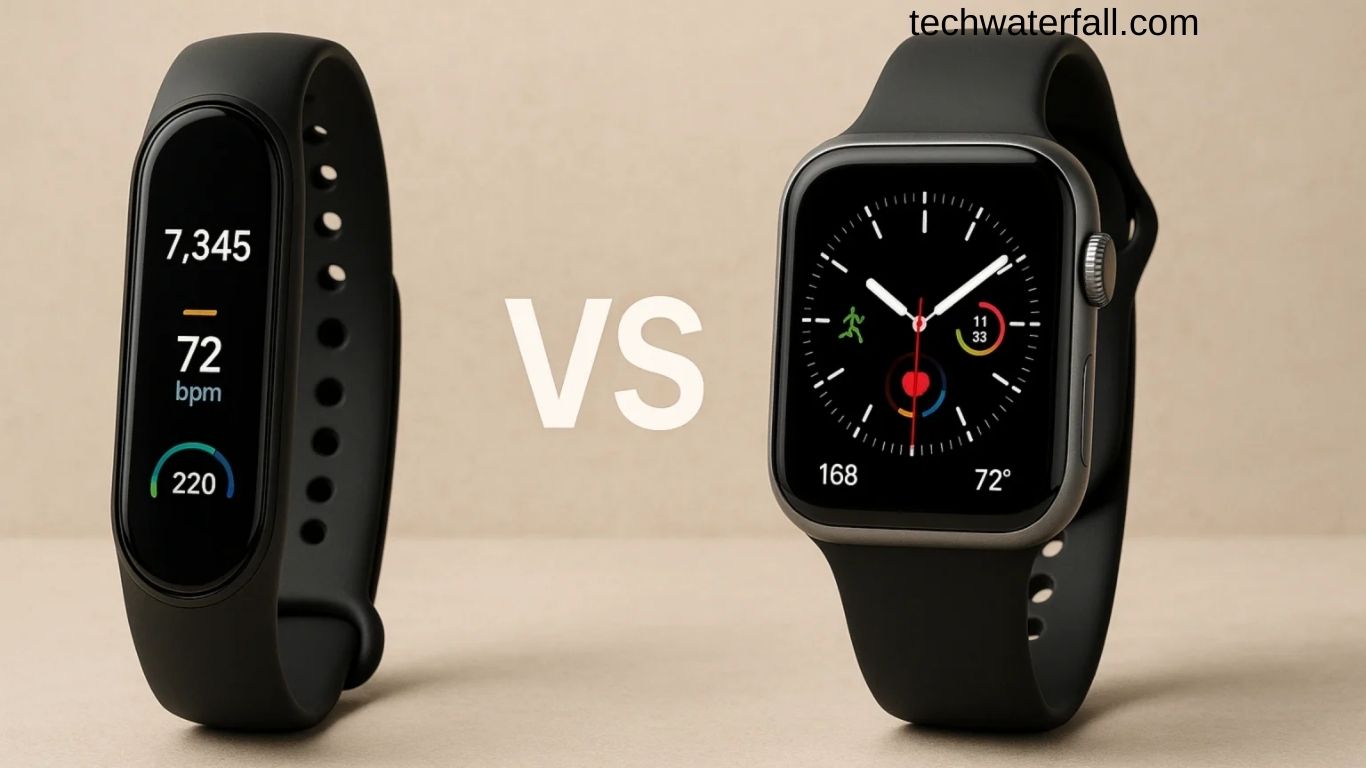
When it comes to monitoring your health and activity, one common question always arises: should you buy a fitness tracker or a smartwatch? At first glance, both devices seem similar—they sit on your wrist, track steps, monitor sleep, and connect to your smartphone. But the truth is, they’re built with different priorities in mind.
Some people want something simple and budget-friendly to log their workouts. Others want a powerful, feature-rich device that doubles as a personal assistant. Deciding which is best depends on your lifestyle, health goals, and budget.
This guide breaks down the differences between fitness trackers and smartwatches, explores their advantages, and highlights the best models to buy in 2025.
Fitness Tracker vs Smartwatch: What’s the Difference?
At a glance, the difference seems obvious. Fitness trackers are usually slim, lightweight, and designed for health monitoring. Smartwatches, on the other hand, are bulkier, screen-focused devices that combine health tracking with productivity tools.
Both connect to your phone, track your steps, and help you stay active. The key difference lies in how much more they can do beyond health tracking.
What is a Fitness Tracker?
A fitness tracker is a wearable device that focuses almost entirely on your physical activities and health metrics. Most models track:
- Steps and calories burned
- Heart rate monitoring
- Sleep patterns and recovery
- Blood oxygen (SpO2) in newer models
Fitness trackers are perfect if you simply want to maintain an active lifestyle or hit daily step goals without unnecessary distractions. Their smaller screens, long battery life, and affordable price make them an excellent choice for beginners and casual users.
What is a Smartwatch?
A smartwatch is essentially a mini smartphone for your wrist. It includes all the core health tracking features of a fitness tracker but adds far more functionality, such as:
- Receiving calls and message notifications
- App integration (calendar, weather, email, etc.)
- GPS navigation and route tracking
- Advanced health sensors (ECG, SpO2, stress monitoring)
- Music playback and voice assistants
If you want technology and convenience in one sleek device, a smartwatch is your go-to choice.
Fitness Tracker vs Smartwatch: Key Differences
Here’s a quick comparison table to highlight the main distinctions:
| Features | Smartwatch | Fitness Tracker |
| Main Use | Health & fitness tracking | Health & fitness tracking + smart features |
| Size | Slim and light | Bulkier but stylish, more screen space |
| Sensors | Basic (HR, SpO2, steps, sleep) | Advanced (ECG, GPS, stress, etc.) |
| Apps & Features | Limited or none | Calls, notifications, music storage, etc. |
| Connectivity | Bluetooth | Bluetooth, WiFi, e-SIM, Cellular, etc. |
| Battery Life | 5-15 days | 1-7 days |
| Cost | $50-100 | $150-800+ |
Feature Fitness Tracker Smartwatch
Bottom line: fitness trackers win for simplicity, affordability, and battery life, while smartwatches excel in versatility and connectivity.
How to Choose the Right Device
Still not sure which way to go? Ask yourself these quick questions:
Do I need smartphone features on my wrist?
- Yes → Choose a smartwatch
- No → A fitness tracker will do
Is battery life more important than features?
- Yes → Go with a fitness tracker
- No → Opt for a smartwatch
Do I need advanced health metrics like ECG or SpO2?
- Yes → Smartwatch
- No → Fitness tracker
What’s my budget?
- Under $100 → Fitness tracker
- $150 and above → Smartwatch
Who Should Buy a Fitness Tracker?
Fitness trackers are ideal if you:
- Want something budget-friendly and simple
- Care mainly about steps, calories, and sleep
- Value longer battery life
- Don’t need to check texts or emails from your wrist
Best Fitness Trackers in 2025
Runmefit GTL2 – The All-Around Champ
Sleek, lightweight, and packed with over 100 sports modes. Tracks heart rate, stress, sleep, and even women’s health. Perfect balance of design and functionality.
👍 Best for: Daily fitness with light smart features.
Runmefit S5 – Budget-Friendly and Reliable
Affordable, easy to use, and tracks all essentials—steps, sleep, calories, and skin temperature. Great entry-level choice.
👍 Best for: Beginners and casual users.
Runmefit GTL1 – Ultra-Light and Comfortable
Weighs just 0.43oz, making it almost unnoticeable on your wrist. Still delivers accurate step, heart rate, and sleep tracking.
👍 Best for: Minimalists and comfort-first users.
Who Should Buy a Smartwatch?
A smartwatch is best if you:
- Want to stay connected without your phone
- Need advanced health metrics
- Use multiple apps and voice assistants
- Prefer a modern, stylish device
Best Smartwatches in 2025
Runmefit GTS7 Pro – Smart and Stylish
Beautiful 2-inch display, Bluetooth calling, calendar alerts, and full health suite (heart rate, SpO2, stress, and 100+ workouts).
👍 Best for: Busy professionals who want health + productivity.
Runmefit GTR3 AMOLED – Luxury Meets Health
Premium AMOLED display, sharp even in sunlight. Tracks HRV, respiratory rate, and advanced health metrics. Looks and feels like a luxury watch.
👍 Best for: Health-focused users who value display quality.
Runmefit GTX2 GPS – Built for the Outdoors
Rugged, waterproof, with precision GPS, compass, and altimeter. Long battery life of up to 15 days.
👍 Best for: Adventurers, hikers, and outdoor explorers.
Frequently Asked Questions:
Which is better for health tracking, a fitness tracker or a smartwatch?
Fitness trackers are designed mainly for health monitoring, making them better for step counting, sleep analysis, and calorie tracking. Smartwatches also offer health tracking but add advanced sensors like ECG, GPS, and SpO2 for deeper insights.
Do smartwatches drain battery faster than fitness trackers?
Yes. Smartwatches usually last 1–7 days due to larger displays and more features, while fitness trackers can last 5–15 days on a single charge.
Are fitness trackers cheaper than smartwatches?
Generally, yes. Most fitness trackers cost between $50–100, while smartwatches range from $150 to over $800 depending on features and brand.
Can a fitness tracker receive calls and notifications like a smartwatch?
Basic fitness trackers usually do not support calls or app notifications. However, some mid-range trackers may offer limited alerts. Smartwatches, on the other hand, allow calls, texts, app notifications, and even music control.
Which device is better for beginners—fitness tracker or smartwatch?
For beginners, a fitness tracker is often the best choice. It’s affordable, easy to use, and provides all essential health insights without overwhelming features.
Are smartwatches worth it for fitness enthusiasts?
Yes, especially for athletes or serious fitness users who need GPS tracking, advanced workout modes, and metrics like VO2 Max, HRV, or ECG. Smartwatches are ideal for those seeking both fitness and lifestyle benefits.
Do fitness trackers and smartwatches work with both iPhone and Android?
Most modern fitness trackers and smartwatches work with both platforms, but some advanced features may be limited depending on the operating system. Always check compatibility before purchasing.
Conclusion
Choosing between a fitness tracker and a smartwatch ultimately comes down to your lifestyle, health priorities, and budget. If your main goal is to stay active, monitor sleep, and keep things simple without breaking the bank, a fitness tracker is the perfect companion. On the other hand, if you want an all-in-one device that tracks advanced health metrics, keeps you connected, and enhances productivity, a smartwatch is the smarter investment.
