


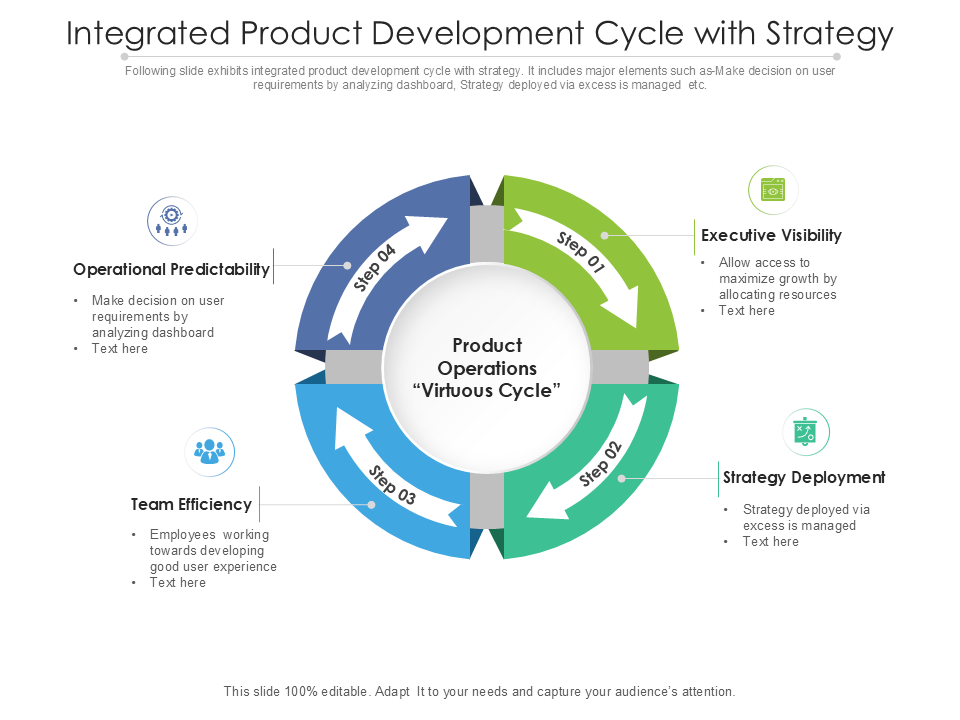
Integrated product development systems have become essential for organizations that want to streamline workflows, improve collaboration, and accelerate progress from concept through production. As products grow more complex and development cycles shorten, teams rely on connected systems that centralize information and reduce the inefficiencies that often slow innovation. When departments work within a unified environment, they gain clearer visibility, stronger coordination, and more reliable control over each stage of development. These advantages help companies maintain momentum, reduce risk, and deliver high quality products with greater consistency.
Improving Cross–Functional Collaboration
Collaboration is one of the most important factors in successful product development. Integrated systems create a shared environment where engineering, production, quality, and supply chain teams can access the same information and stay aligned throughout the lifecycle. This reduces miscommunication and ensures that updates, design changes, and documentation flow smoothly across departments. Many organizations enhance collaboration by incorporating tools such as power BI service, which centralize data and improve visibility across teams. Exploring cross functional collaboration helps organizations understand how shared access strengthens decision making. When collaboration improves, development cycles become more efficient and teams can respond to challenges with greater agility.
Increasing Visibility Into Design, Engineering, and Production
Clear visibility helps organizations anticipate needs, identify bottlenecks, and maintain momentum throughout development. Integrated systems provide real time insight into design progress, engineering changes, testing results, and production readiness. Leaders gain a clearer understanding of where products stand and can make decisions based on accurate, up to date information. This visibility also helps teams identify issues early, reducing delays that often occur when problems go unnoticed. Exploring product data visibility highlights how access to reliable information strengthens development accuracy. When visibility increases, organizations maintain control over timelines and reduce the likelihood of unexpected disruptions.
Strengthening Change Management and Version Control
Managing product changes is one of the most complex aspects of development. Without structured processes, teams risk working from outdated information or implementing changes inconsistently. Integrated systems strengthen change management by tracking revisions, documenting approvals, and ensuring that updates flow smoothly across departments. This reduces errors and supports compliance with industry standards. Exploring change management processes helps organizations understand how structured control improves reliability. When change management is consistent, development becomes more predictable and less vulnerable to delays caused by miscommunication or incomplete documentation.
Supporting Faster Prototyping and Iteration
Speed is a defining factor in modern product development. Integrated systems help teams iterate quickly by providing access to design files, simulation tools, and testing data in a centralized environment. This allows engineers to refine concepts, evaluate alternatives, and resolve issues without unnecessary delays. Faster iteration supports creativity and encourages teams to explore new ideas with confidence. Exploring prototyping strategies highlights how structured iteration improves product readiness. When iteration accelerates, organizations can bring innovative solutions to market more efficiently and maintain a competitive edge.
Enhancing Quality Assurance Throughout the Lifecycle
Quality must be integrated into every stage of product development rather than addressed only at the end. Integrated systems help organizations maintain documentation, track testing results, and ensure that products meet regulatory and performance standards. This reduces the risk of costly rework or delays caused by compliance issues. Quality teams gain access to accurate data that supports early detection of potential problems, improving overall product reliability. Exploring quality assurance integration helps organizations understand how lifecycle tools strengthen oversight. When quality is embedded throughout development, products reach production with fewer defects and greater consistency.
Improving Production Readiness and Operational Efficiency
The transition from development to production is one of the most critical stages in the lifecycle. Integrated systems support this transition by ensuring that production teams have access to accurate design files, material specifications, testing results, and approved workflows. This reduces the risk of miscommunication and helps maintain consistency during manufacturing. Exploring production readiness provides insight into how structured handoffs reduce risk and support stable operations. When production readiness improves, organizations begin manufacturing with fewer disruptions and greater efficiency.
Conclusion
Integrated product development systems strengthen collaboration, increase visibility, improve change management, accelerate iteration, enhance quality assurance, and support production readiness. These operational advantages help organizations streamline workflows, reduce risk, and deliver high quality products that support long term success.
As integrated product development continues to evolve, staying informed about the latest software platforms, engineering technologies, cloud solutions, and digital transformation strategies has become increasingly important. Readers interested in enterprise technology, software innovation, AI, and emerging IT trends can explore more expert insights on Root-Nation, where a wide range of articles covers the technologies shaping modern product development and business operations.
