

Close Menu
Tech Waterfall
    Facebook X (Twitter) Instagram
    Trending
    • Software Updates Are Changing What Electric Car Owners Expect
    • After the Flood, Crews Turn to Drains to Stop a Repeat
    • Homeowners Are Reading Their Insurance Policies Before Renewal Day Arrives
    • City Buses See Steady Return as Passengers Choose Public Transport
    • Telescope Nights Draw New Visitors to Dark-Sky Parks
    • Smart Glasses for Low Vision Are Proving Themselves on Real City Streets
    • Warehouse Robots Shift Staff Toward Supervision Roles
    • Security Centres Rethink Triage as Alert Volumes Surge
    Facebook X (Twitter) Instagram Pinterest Vimeo
    Tech WaterfallTech Waterfall
    • Home
    • Tech News
    • Tech Reviews
    • Software & Apps
    • Gadgets & Gear
    • Mobile & Devices
    Tech Waterfall
    Home»Blog»Falling Battery Costs Rewrite the Economics of Electric Cars
    Blog

    Falling Battery Costs Rewrite the Economics of Electric Cars

    Mariana SantosBy Mariana SantosOctober 25, 2026No Comments3 Mins Read
    Share Facebook Twitter Pinterest LinkedIn Tumblr Reddit Telegram Email
    Falling Battery Costs Rewrite the Economics of Electric Cars

    The battery pack is the most expensive part of an electric car, and its price has been falling with a persistence that keeps surprising the industry. Cost per kilowatt-hour has dropped by an order of magnitude in little over a decade, driven by manufacturing scale, improving chemistry and fierce competition among cell makers. Each threshold crossed quietly rewrites what car companies can offer at a given price — longer range, smaller cars at honest prices, or margins where none existed.

    The Pack Price Milestone

    The milestone the industry watches is price parity with petrol equivalents, already reached in some segments and markets when running costs are counted. Cheaper iron-based battery chemistries, once dismissed as fit only for short-range city cars, now power mainstream models thanks to clever pack design, freeing scarcer nickel-based cells for vehicles that genuinely need their energy density. Sodium-ion cells are entering production for the smallest applications, adding another rung to the ladder of good-enough, cheaper storage.

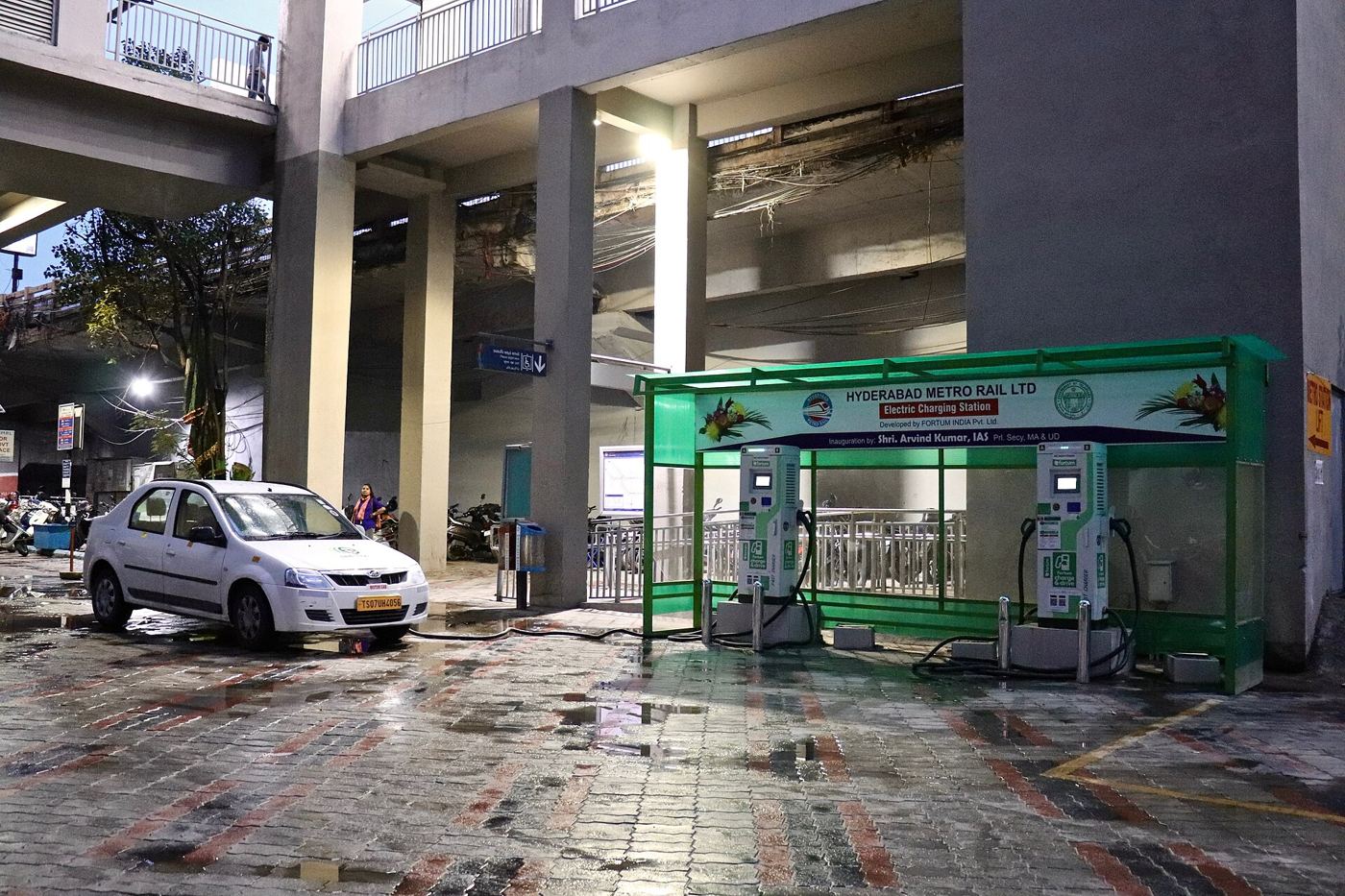
    Charging, the other half of the ownership equation, is catching up unevenly. Rapid-charging networks are denser and more reliable than their early reputation suggests, and the newest cars add hundreds of kilometres of range in the time a coffee takes — when a working high-power charger is available. Reliability, queuing at holiday peaks and the experience of drivers without home charging remain the weak points, and regulators have begun imposing uptime standards on public networks as a condition of funding. Further background is available in our tech coverage for readers following this story.

    Charging Catches Up

    The used market may decide the transition’s speed more than any showroom. Early electric cars now reach price points where their low running costs matter most, but buyers need trustworthy information about battery health, the equivalent of mileage on a petrol car. Standardised battery-health certificates are emerging, and data so far is reassuring: modern packs degrade slowly, typically retaining the large majority of capacity well beyond the distances at which most cars are scrapped.

    Headwinds remain honest ones. Insurance and repair costs run high where parts and trained technicians are scarce; resale values have swung sharply as new-car prices were cut; and the minerals question — where lithium, graphite and other inputs are mined and processed — has become a matter of industrial strategy for whole governments, with recycling positioned as the long-term answer that turns old packs into tomorrow’s mines. Additional reporting from BBC Business provides further detail on the background.

    The Used Market Decides the Rest

    None of these frictions reverse the direction set by the cost curve. Technologies riding a sustained learning curve tend to win eventually, and batteries are riding one of the steepest in industrial history. The question for the car market is no longer whether electric drivetrains take over, but how the messy middle of the transition — prices, chargers, grids and used values — is managed while they do. Local readers will feel the effects of these developments over the coming months, and this page will be updated as the story moves.

    batteries electric vehicles energy transport
    Previous ArticleAntibiotic Resistance Demands a Global Response, Experts Warn
    Next Article Passkeys Replace Passwords Across Major Consumer Services
    Mariana Santos

    Related Posts

    Blog

    Software Updates Are Changing What Electric Car Owners Expect

    November 5, 2026
    Blog

    After the Flood, Crews Turn to Drains to Stop a Repeat

    November 5, 2026
    Blog

    Homeowners Are Reading Their Insurance Policies Before Renewal Day Arrives

    November 4, 2026
    Add A Comment
    Leave A Reply Cancel Reply

    Search
    Recent Posts

    Software Updates Are Changing What Electric Car Owners Expect

    November 5, 2026

    After the Flood, Crews Turn to Drains to Stop a Repeat

    November 5, 2026

    Homeowners Are Reading Their Insurance Policies Before Renewal Day Arrives

    November 4, 2026

    City Buses See Steady Return as Passengers Choose Public Transport

    November 4, 2026
    About Us

    Welcome to Tech Waterfall. Your ultimate source for the latest tech news, trends, and breakthroughs shaping the digital world. From AI innovations and

    cutting-edge software to hardware, startups, cybersecurity, and mobile advancements, we deliver timely insights and expert perspectives. #TechWaterfall

    Facebook X (Twitter) Instagram Telegram
    Popular Posts

    Software Updates Are Changing What Electric Car Owners Expect

    November 5, 2026

    After the Flood, Crews Turn to Drains to Stop a Repeat

    November 5, 2026

    Homeowners Are Reading Their Insurance Policies Before Renewal Day Arrives

    November 4, 2026
    Contact Us

    We welcome your feedback and inquiries at Tech Waterfall. Whether you have a news tip, an advertising request, or need support, feel free to reach out.

    Email: contact@outreachmedia .io
    Phone: +92 305 5631208

    Address: 1151 Willis Avenue
    Holly Hill, FL 32117

    • About Us
    • Contact Us
    • Disclaimer
    • Privacy Policy
    • Terms and Conditions
    • Write For Us
    • Sitemap

    Copyright © 2026 | All Right Reserved | Tech Waterfall

    Type above and press Enter to search. Press Esc to cancel.

    WhatsApp us