


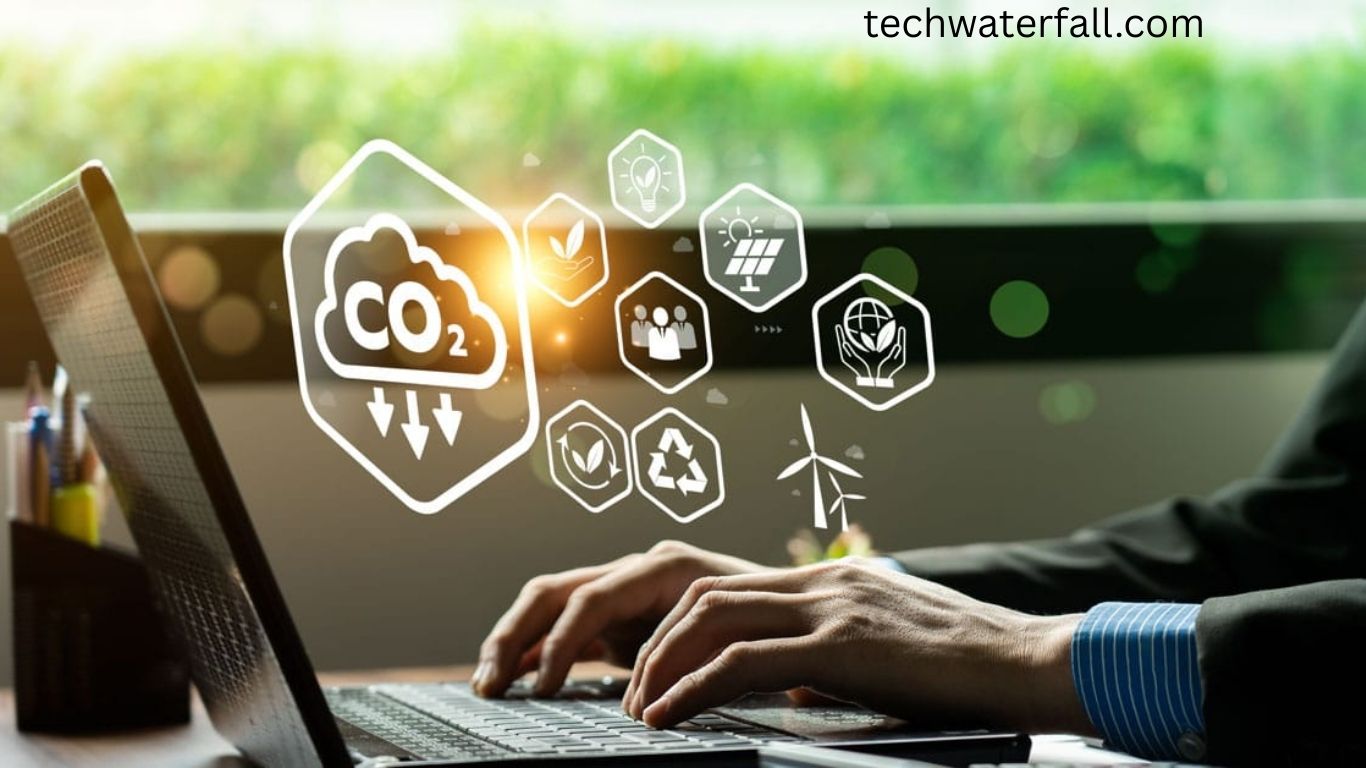
Green technology is transforming the IT sector, turning sustainability from a buzzword into a necessity. Energy-efficient data centers, biodegradable electronics, and sustainable software solutions are reshaping how technology impacts our planet. These innovations not only reduce environmental harm but also pave the way for a more responsible and efficient tech industry.
Understanding the environmental impact of IT and exploring solutions—from hardware to software—is critical for businesses and individuals striving for sustainability.
Read More: High-Stakes Antitrust Showdown: Big Tech Faces Growing Turmoil Across the Atlantic in 2025
Why Sustainability Is the New Imperative in IT
In today’s rapidly evolving tech landscape, green technology is no longer optional; it is essential. IT companies face mounting pressure to lower their carbon footprint, making sustainable practices vital for long-term success.
Sustainability in IT extends beyond energy savings—it represents corporate responsibility and a commitment to innovation that benefits both business and the planet.
What Is Green Technology in IT?
Green technology encompasses strategies and innovations designed to minimize the environmental impact of IT operations. From eco-friendly batteries to energy-efficient data centers, the aim is to balance technological advancement with environmental stewardship.
As Forbes highlights, companies developing next-generation batteries are not only powering electric vehicles and mobile devices but also storing renewable energy from solar, wind, and hydro sources. Similarly, IT sustainability focuses on reducing energy consumption, greenhouse gas emissions, and electronic waste.
The Environmental Impact of IT
The IT sector’s environmental footprint is significant. Data centers alone consume roughly 1% of global electricity, and growing data demands exacerbate this impact. Manufacturing and disposing of devices—laptops, smartphones, and servers—further contributes to greenhouse gas emissions.
Studies show that 80% of a laptop’s carbon footprint comes from its supply chain, materials, manufacturing techniques, lifespan, and recycling potential. Networks, especially with 5G and the Internet of Things (IoT), also require high energy consumption, adding to global carbon emissions.
Drivers of Change in Sustainable IT
Key forces driving green IT adoption include:
- Regulatory pressures mandating lower carbon emissions.
- Corporate responsibility initiatives to align business with environmental goals.
- Consumer demand for eco-friendly technology and sustainable products.
These drivers are accelerating innovation across hardware, software, and cloud computing.
Energy-Efficient Data Centers: The Backbone of Sustainable IT
Addressing the Energy Challenge
Data centers consume massive amounts of energy due to the growing demand for digital services. Research from the International Energy Agency shows:
- Energy use in large data centers has increased 20-40% annually in recent years.
- Major companies like Amazon, Microsoft, Google, and Meta doubled electricity consumption between 2017 and 2021, reaching around 72 TWh.
- Global data center energy use in 2022 (excluding cryptocurrency) reached 240–340 TWh.
- Despite efficiency improvements, rapid growth in global internet traffic continues to drive energy demand.
Innovative Solutions for Energy Efficiency
Several technologies are helping data centers reduce energy consumption:
- Liquid and immersion cooling: Efficiently dissipates heat from servers using liquids.
- Free cooling: Leverages natural air or water sources to minimize energy-intensive air conditioning.
- Renewable energy integration: Solar, wind, and hydroelectric power directly supply data centers or via energy purchase agreements.
- Efficient hardware: SSDs, low-power processors, and Dynamic Voltage and Frequency Scaling (DVFS) reduce energy usage while maintaining performance.
Leading by Example: Case Studies
Companies are setting benchmarks for sustainable IT practices:
- Microsoft aims to be carbon-negative by 2030, using underwater data centers and advanced cooling.
- Apple powers all data centers with renewable energy and innovative cooling solutions.
- Global initiatives like the 24/7 Carbon-free Energy Compact and DIMPACT help major companies measure and reduce carbon footprints.
These examples demonstrate that sustainable IT is both feasible and profitable.
Sustainable Hardware: The Future of IT Infrastructure
The IT industry is embracing eco-friendly hardware, designed for energy efficiency, durability, and recyclability.
Green Design and Manufacturing
Sustainable hardware relies on responsible materials, longer lifespans, and production processes that minimize environmental impact. Devices are increasingly modular, allowing users to replace or upgrade components rather than the entire device, reducing e-waste.
Circular Economy in IT
The EPA’s Sustainable Materials Management (SMM) approach promotes a circular economy: resources are reused, products are redesigned to be less resource-intensive, and waste is converted into new materials. Recycling and repairable devices are key strategies for reducing e-waste.
Innovation in Devices
Green innovations include:
- Energy-efficient computing
- Longer-lasting batteries
- Modular devices with replaceable components
- Optimized chip and battery design for energy savings
These approaches extend device lifespans, reduce emissions, and make IT infrastructure more sustainable.
Software’s Role in IT Sustainability
Green software development focuses on optimizing energy consumption through efficient coding, resource management, and algorithm design.
- AI and Machine Learning for Energy Efficiency
AI can optimize energy use in:
- Data centers
- Cloud computing
- Network operations
- Power management systems
These technologies help reduce energy consumption and carbon emissions while improving system performance.
Sustainable Cloud Computing
Cloud computing allows businesses to eliminate costly hardware and reduce energy demand. Providers like Amazon, Microsoft, and Google offer energy-efficient cloud services, enabling sustainable remote work and reducing IT-related emissions.
Businesses can enhance sustainability by:
- Choosing providers that use renewable energy
- Encouraging energy-efficient user behavior
- Monitoring energy usage and sustainability metrics
The Future of Green IT: Trends and Opportunities
Green IT continues to evolve with emerging technologies:
- Quantum computing: Optimizes renewable energy integration, power grid management, and battery technology.
- Edge computing: Reduces latency and energy consumption by processing data closer to the source.
- Sustainable cloud solutions and AI-driven optimization further enhance efficiency.
- Recyclable and biodegradable electronics support the circular economy in IT.
Frequently Asked Questions:
What is green technology in IT?
Green technology in IT refers to innovations and practices that reduce the environmental impact of computing, data centers, and electronic devices. This includes energy-efficient hardware, sustainable software, and renewable energy-powered infrastructure.
Why is green IT important for the future?
Green IT reduces carbon emissions, lowers energy consumption, and minimizes e-waste, helping businesses meet sustainability goals while saving costs. It also aligns with global efforts to combat climate change.
What are examples of green innovations in IT?
Examples include energy-efficient data centers, biodegradable electronics, modular devices, AI-powered energy optimization, cloud computing solutions using renewable energy, and sustainable software development practices.
How do energy-efficient data centers work?
Energy-efficient data centers use advanced cooling systems, renewable energy sources, and optimized hardware to reduce electricity consumption while maintaining high computing performance.
Can businesses benefit financially from sustainable IT practices?
Yes. Businesses can save on energy costs, reduce e-waste management expenses, and improve brand reputation by adopting sustainable IT solutions. Green IT can also drive innovation and provide a competitive edge.
What role does software play in green IT?
Software can optimize hardware usage, manage resources efficiently, and reduce energy consumption. Practices like writing energy-efficient code, using AI for energy optimization, and cloud-based solutions are key contributors.
How can individuals contribute to sustainable IT?
Individuals can support green IT by using energy-efficient devices, opting for modular or repairable electronics, recycling old hardware, and choosing cloud services powered by renewable energy.
Conclusion
Green technology is no longer a futuristic concept—it is actively transforming the IT industry. From energy-efficient data centers and sustainable hardware to optimized software and AI-driven solutions, these innovations are driving a more responsible, eco-friendly approach to technology. By embracing green IT, businesses not only reduce their environmental impact but also unlock long-term cost savings, improve operational efficiency, and strengthen their competitive edge.
