


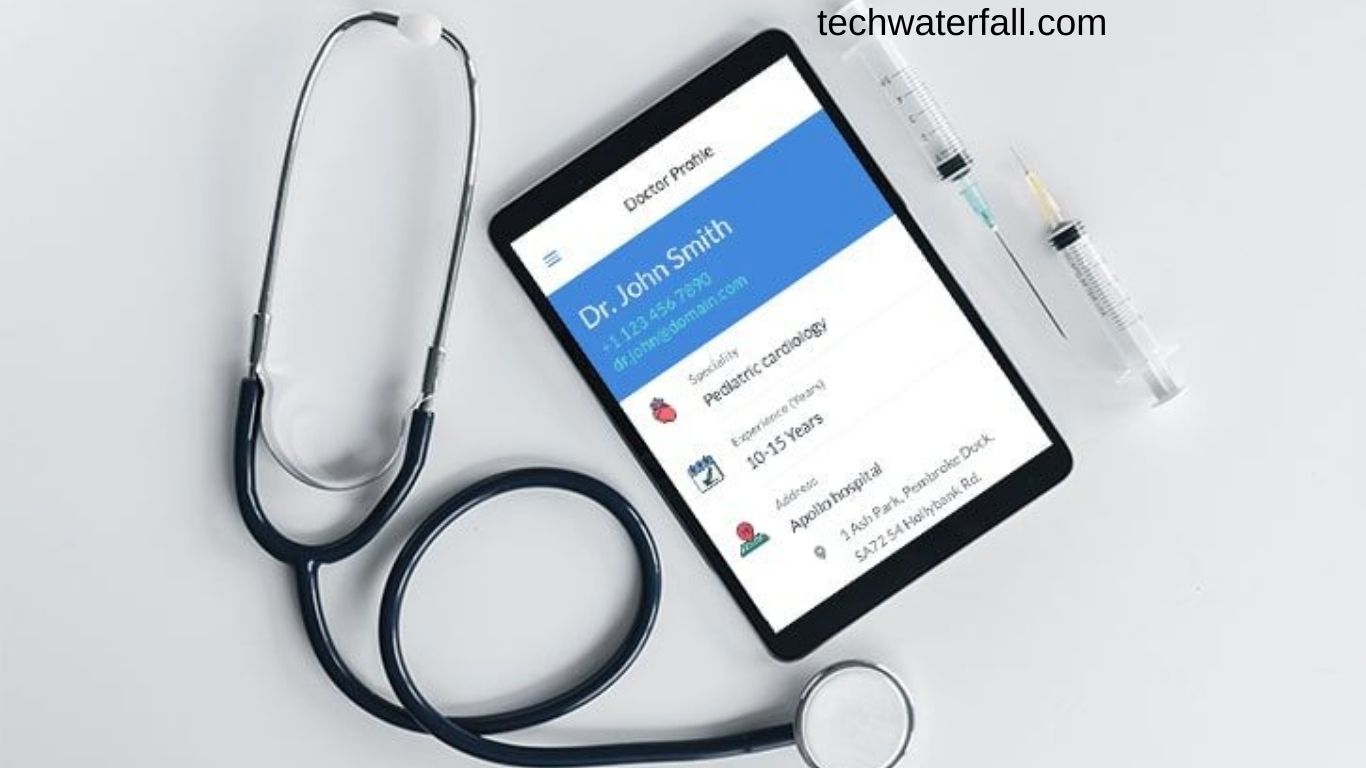
Mobile technology is transforming healthcare into a more accessible, efficient, and patient-focused industry. From improving patient care to enabling real-time data access, mobile-powered solutions are rewriting the future of medicine. What once seemed futuristic is now rapidly becoming a reality, empowering doctors, patients, and healthcare institutions alike.
Today, healthcare mobility is more than just convenience—it’s about saving lives, cutting costs, and ensuring better outcomes. Let’s explore how mobile technology is revolutionizing healthcare across the globe.
Read More: Best Budget Smartphones Under $500: Unbeatable Performance and Incredible Value You’ll Love
Mobile Devices in Healthcare: A Rising Trend
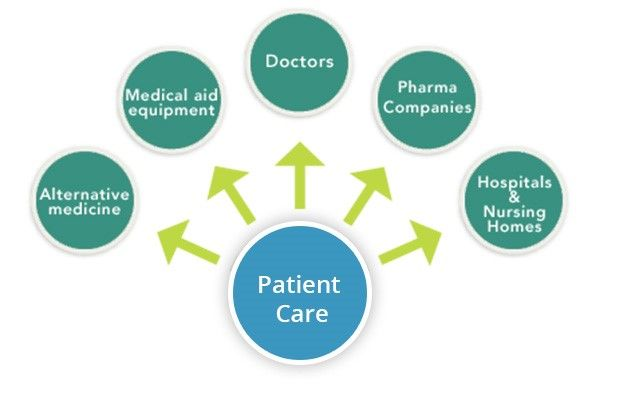
A few years ago, studies revealed that nearly 80% of doctors used smartphones or tablets for work-related tasks. This number has only grown, showcasing how deeply mobile devices have penetrated the medical field.
Doctors rely on mobile apps for patient records, test results, telemedicine, and communication. Patients, on the other hand, use apps for booking appointments, monitoring health, and receiving prescriptions. This two-way dependency has reshaped the healthcare lifecycle, ensuring smoother coordination and improved patient experiences.
The ultimate goal is clear—better care for patients. By streamlining workflows, reducing paperwork, and enhancing communication, mobile technology is helping healthcare providers put patients at the center of everything they do.
Enhancing Healthcare Facilities Through Mobility
One of the biggest advantages of healthcare mobility is improved patient access. In the U.S., over 46 million people live in rural areas, where access to healthcare facilities is limited. Mobile technology bridges this gap.
For example, EMS (Emergency Medical Service) professionals can now input patient data on-site, which is instantly shared with hospitals. This ensures doctors are prepared even before the patient arrives, cutting down delays caused by paperwork and ultimately saving lives.
Real-time mobile data collection also improves accuracy and reduces errors. Compared to traditional paper-based reporting, digital records are faster, clearer, and more reliable. This not only boosts patient safety but also helps hospitals validate funding and improve quality control systems.
Electronic Health Records (EHR): Smarter Patient Care
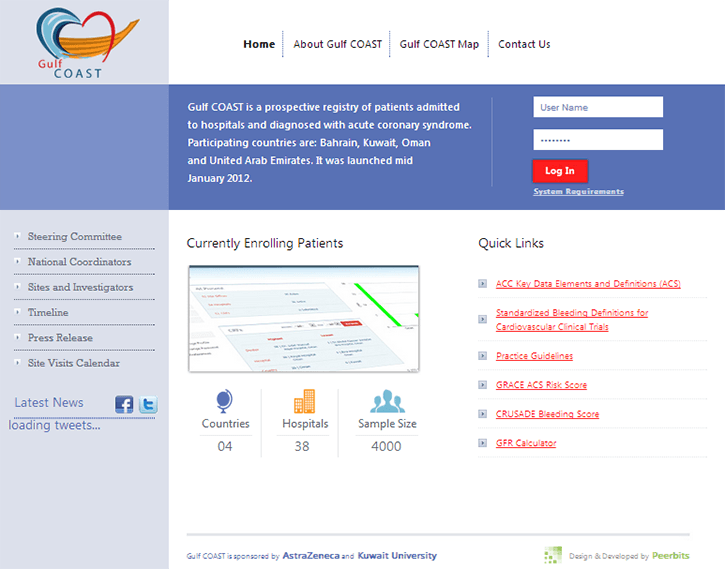
The Electronic Health Record (EHR) has emerged as one of the most impactful mobile technologies in healthcare. EHR systems allow quick retrieval of lab results, medical histories, and prescriptions—saving both time and money.
Benefits of EHR include:
- Reduced duplication of tests, lowering patient expenses.
- Integrated billing systems, streamlining administrative processes.
- Secure communication channels, ensuring patients receive lab results through portals or messaging instead of phone calls.
- Centralized doctor approvals, which cut down on manual tasks and accelerate treatments.
By automating workflows, EHRs enhance productivity, reduce paperwork, and ensure timely medical decisions.
Timely Medications and Patient Engagement
Medication non-adherence is one of the costliest issues in healthcare. According to the New England Healthcare Institute, patients in the U.S. spend nearly $290 billion annually due to preventable medical costs linked to missed medications.
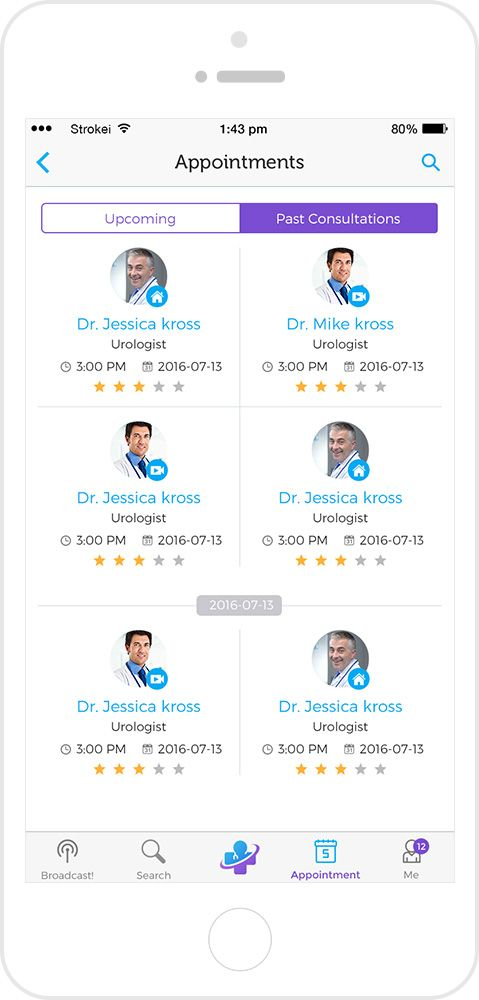
Mobile health apps and e-prescriptions directly address this issue. Doctors can send prescriptions electronically, patients receive reminders on their phones, and adherence improves significantly. This reduces recovery times, cuts costs, and boosts patient satisfaction.
New models like patient-centered medical homes, pay-for-performance systems, and accountable care organizations further emphasize the role of technology in fostering trust and accountability in patient care.
Wearables: Empowering Personal Health
The rise of wearable devices has added another dimension to healthcare mobility. From smartwatches to fitness trackers, wearables are helping individuals monitor their health in real time.
Examples include:
- Fitbit and Apple Watch for fitness and heart rate monitoring.
- HexCare wearable, which collects health data and displays it on dashboards for precise monitoring.
When integrated with healthcare apps, these devices provide doctors with real-time insights into a patient’s condition, enabling early diagnosis and proactive care.
Extending Healthcare to Rural Areas
Globally, rural populations face significant barriers in accessing quality healthcare. Mobile technology helps bridge this gap through:
- Telemedicine and video consultations
- Mobile diagnostic tools
- Remote patient monitoring
Doctors can now diagnose and treat patients in remote regions without requiring travel, saving both time and resources. For rural populations, this means faster access to medical expertise that was once out of reach.
Smarter Healthcare Resource Management
Beyond patient care, mobile technology also streamlines healthcare operations. Hospitals and clinics must manage vast inventories of medicines, supplies, and equipment—and mobility makes this easier.
Automated Inventory Management
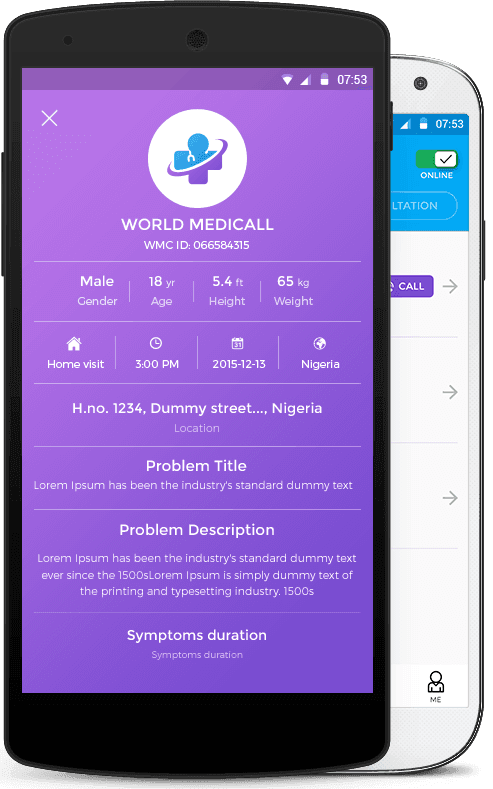
Mobile apps allow staff to track supplies, reorder when stock runs low, and even receive alerts before medicines expire. This ensures hospitals never run short on critical supplies.
Real-Time Monitoring
From barcodes to mobile dashboards, healthcare organizations can track inventory-related expenses, vendor performance, and usage trends. Real-time monitoring ensures transparency and reduces waste.
Pharmacology and Drug Development
Advanced mobile software is also used in pharmacology. Simulation tools help researchers test drug combinations, predict outcomes, and speed up innovation. For example, combining metformin and fasiglifam for diabetes treatment can be tested virtually before prescribing to patients.
Migrating to Smarter Systems
Healthcare institutions are increasingly adopting cloud-based mobile platforms to integrate existing databases with new technologies. These systems simplify data migration, enhance security, and make collaboration easier across departments.
Barcode tracking, automated reorders, and cohesive vendor management are just a few examples of how mobility ensures efficiency in healthcare supply chains.
The Future of Mobile Healthcare
The healthcare industry is only scratching the surface of mobile innovation. In the near future, we can expect:
- AI-powered diagnostic apps for faster, more accurate results.
- Blockchain integration for secure, tamper-proof medical records.
- Augmented reality (AR) tools for medical training and surgery simulations.
- 5G-enabled telemedicine for seamless real-time video consultations.
As mobile technology evolves, so will its role in shaping a more accessible, efficient, and patient-first healthcare ecosystem.
Frequently Asked Questions:
How is mobile technology transforming the healthcare industry?
Mobile technology enhances patient care, enables real-time data sharing, reduces paperwork, improves communication, and makes healthcare more accessible worldwide.
What are the benefits of mobile healthcare apps for patients?
They allow patients to book appointments, receive e-prescriptions, track health metrics, access lab results, and communicate with doctors easily.
How do wearables contribute to modern healthcare?
Wearables like smartwatches and fitness trackers monitor heart rate, steps, sleep patterns, and overall wellness, supporting preventive healthcare and real-time insights.
Why are Electronic Health Records (EHR) important in mobile healthcare?
EHR systems store patient histories, lab results, and prescriptions digitally, reducing duplicate tests, saving costs, and improving treatment efficiency.
Can mobile technology improve rural healthcare access?
Yes. Telemedicine and mobile diagnostic tools allow doctors to consult, diagnose, and treat patients in remote areas without requiring travel.
How does mobile technology help doctors and medical staff?
It simplifies workflows, ensures secure communication, streamlines billing, and provides quick access to patient data for faster and more accurate decisions.
What role does mobile technology play in medication adherence?
Mobile apps send reminders, track prescriptions, and support e-prescriptions, ensuring patients follow treatment plans and avoid preventable health issues.
Conclusion
Mobile technology is more than a convenience—it is a lifeline transforming the way healthcare operates. From Electronic Health Records (EHRs) and telemedicine to wearables and automated inventory systems, mobility ensures faster decisions, reduced costs, and improved patient outcomes. It bridges the urban-rural healthcare gap, empowers patients to take control of their health, and helps doctors deliver smarter, more efficient care.
