


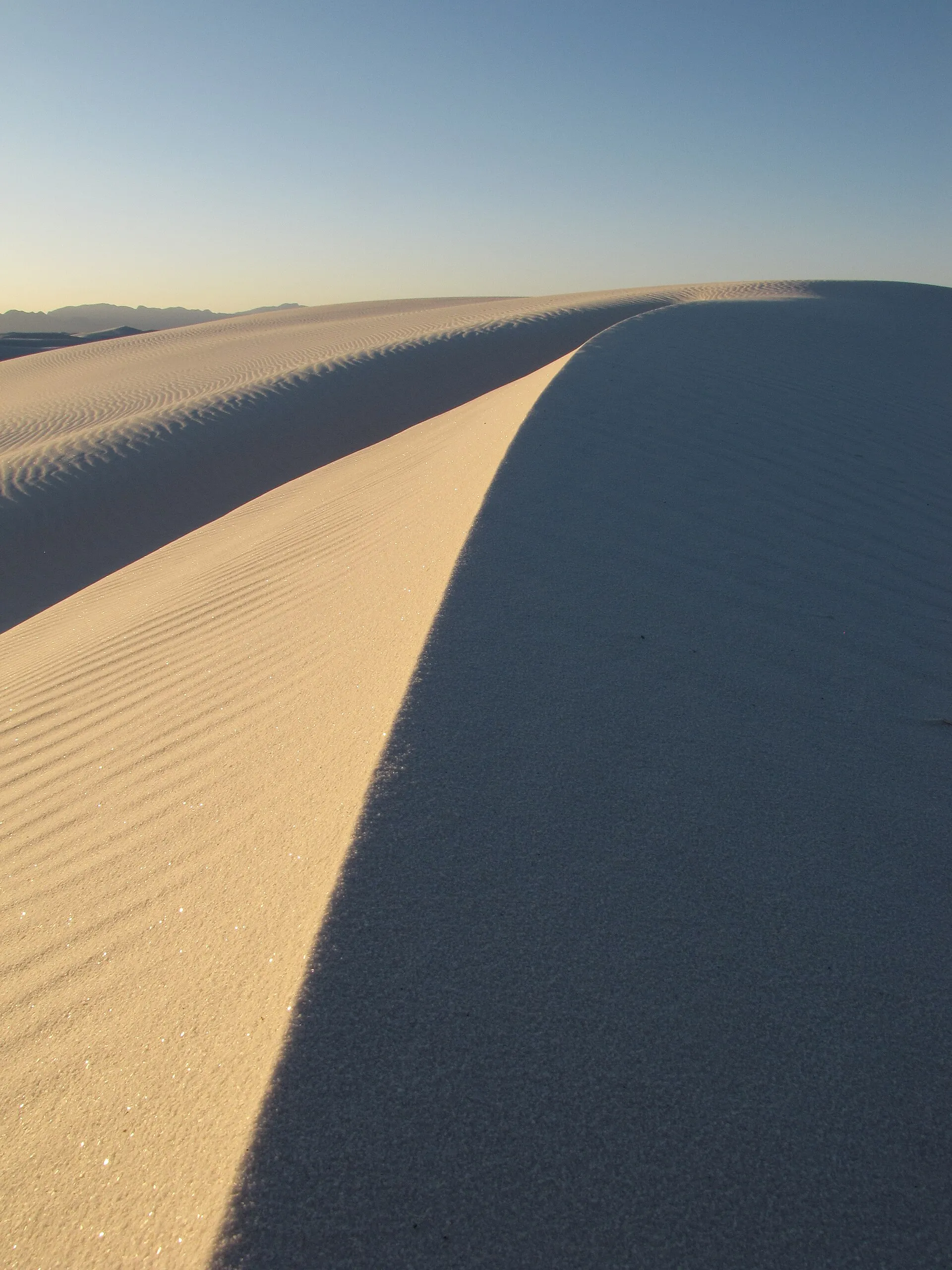
Ask what kept people alive at White Sands through an Ice Age of abrupt climate swings, and the evidence points to an unglamorous answer: flexibility. The families of Lake Otero, whose footprints and camps the gypsum preserved, could shift diet, shoreline and routine as conditions flipped — and a new Science Advances study shows just how often conditions flipped during the Last Glacial Maximum.
Researchers telling this story resist both despair and romance. These were not superhuman survivors; they were competent communities with options, in a landscape where options existed. This article explores what their resilience was made of — mobility, breadth of knowledge, social sharing — and what of it can be rebuilt, deliberately, by modern societies facing rapid change of a different origin.
Readers following stories like this one can browse more in our Blog section, or return to the techwaterfall.com.in homepage for the latest coverage.
Adaptation Meant Having Options
The White Sands families survived abrupt change the unglamorous way: by keeping options open. A shoreline economy that could pivot between fishing, hunting and gathering, camps that could move as water moved, knowledge shared across generations — flexibility was their infrastructure. When one resource failed, another part of the system carried more weight, and mobility turned a local crisis into a relocation rather than an ending.
Modern adaptation planning, for all its satellites and models, aims at the same qualities: diversified water sources, flexible land use, early warning and the social trust to act on it. The technology differs beyond recognition. The underlying lesson from Lake Otero does not — resilience is a portfolio, built before the shock, and tested by how many choices remain when conditions flip.
Resilience Is the Headline
It would be easy to read White Sands as a warning only. The fuller reading is double: environments can change faster than societies expect, and societies can — with knowledge, mobility and cooperation — change with them. The footprints in the gypsum are evidence for both halves. People were there when the lake lurched, and people were still there afterwards, walking new shorelines.
For a century warming faster than any in that ancient record, the second half deserves equal billing. Adaptation is not a modern invention or a concession of defeat; it is the oldest human technology, practised at White Sands twenty thousand years before it had a name. The dunes remember both the shock and the response — and the response is the part worth copying.
A Record Written in Lake Mud
The gypsum flats of White Sands preserve two archives at once: footprints of the people who lived beside Lake Otero, and sediment layers recording what that lake did while they were there. The Science Advances study reads the second archive closely and finds abruptness — environmental conditions swinging during the Last Glacial Maximum, within spans short enough for a single community to notice and remember.
That finding reframes the famous footprints. They were not left in a stable Ice Age postcard but in a landscape mid-argument with itself, where shorelines advanced and retreated and the resources around them rearranged. Climate history, at White Sands, is not background scenery. It is the plot — and the people in the story are shown adjusting to it in real time.
Why Scientists Are Careful With the Comparison
Good climate history resists easy slogans, and the White Sands researchers are appropriately cautious. Dating footprints and sediment layers involves multiple techniques, and each carries uncertainty; the claim is not that change happened on a particular Tuesday, but that the environment shifted abruptly on human timescales while people were demonstrably present. That is enough to matter, without overstating what mud can prove.
The caution strengthens rather than weakens the story. A record this carefully built — cores, dates and tracks cross-checked against each other — gives the public a solid example of how abrupt change works in the real world: unevenly, locally, and through the systems people depend on for food and water. It is a better lesson than any metaphor, because it actually happened.
The Science Advances study rewards a full read, and the National Park Service material on White Sands shows how the same landscape is studied and protected now.
