


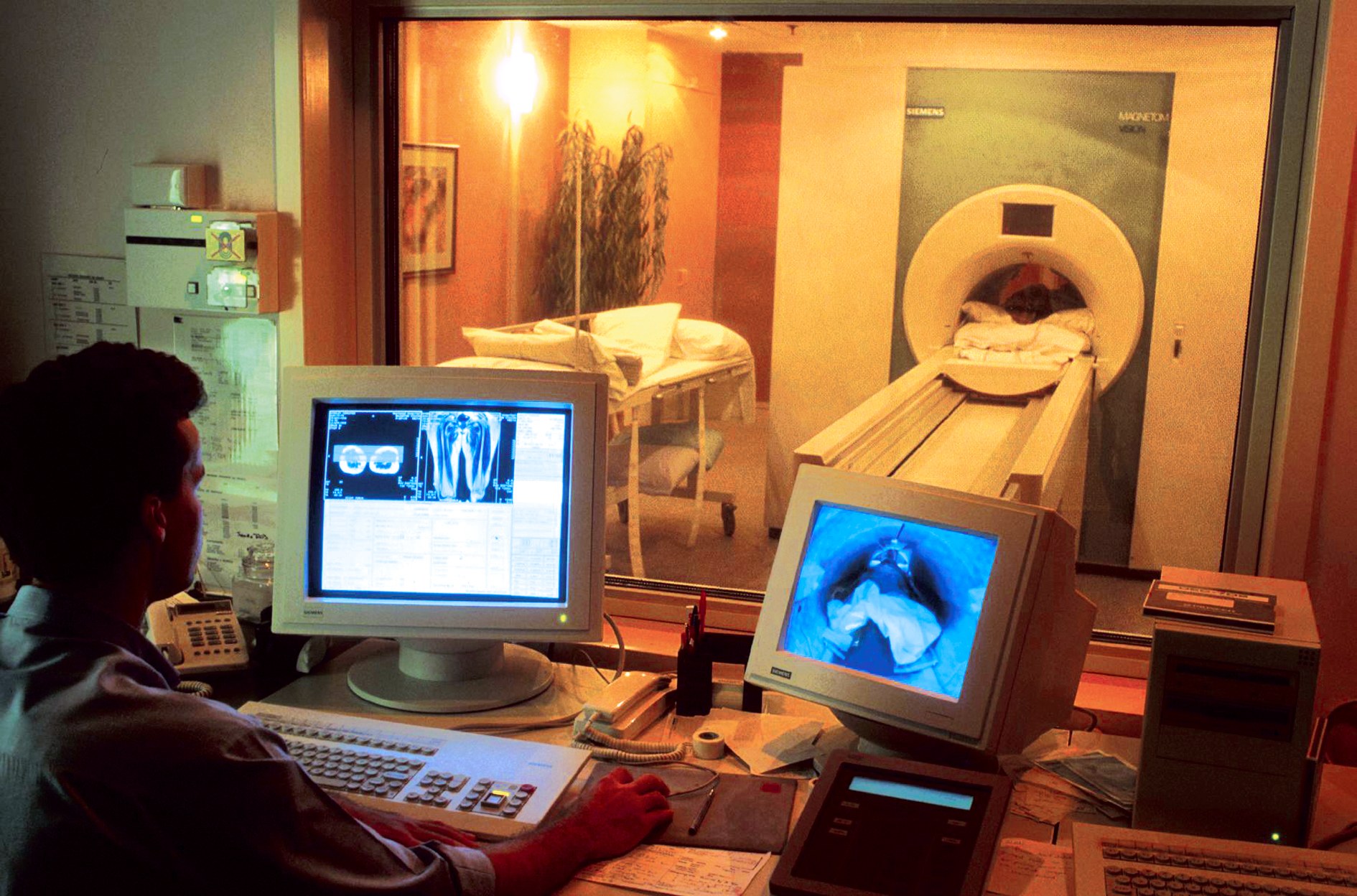
The human brain is usually introduced as evolution’s masterpiece: three pounds of tissue that produced language, mathematics, music and the device you are reading this on. A growing body of scientific commentary offers a less flattering framing. The very features that make our brains remarkable, the argument runs, also set them up for failure, building in vulnerabilities to anxiety, mental illness and age-related decline that other species largely avoid.
This is not an argument that the brain is badly made. It is an argument about trade-offs. Evolution does not optimise; it tinkers, favouring whatever helped our ancestors survive and reproduce, even when the solution carried costs that only show up later. Those costs are the subject of this article, and more science coverage in a similar vein appears across our homepage.
Built for prediction, prone to worry
One of our defining abilities is mental simulation: we replay the past, rehearse the future and model what other people might be thinking. It powers planning, empathy and storytelling. It also powers rumination. A brain that can vividly imagine a presentation going badly next Thursday can generate real stress today, and the same machinery underlies much anxiety and low mood. No other animal worries itself sick about a hypothetical meeting, because no other animal can construct one in such detail.
The brain’s social wiring carries a similar double edge. We are exquisitely sensitive to status, exclusion and reputation, which held ancestral groups together. In a world of social feeds and constant comparison, that sensitivity is easily overwhelmed, and researchers increasingly connect our evolved social monitoring to modern patterns of stress. Overviews of how the brain processes threat and reward, such as those published by the National Institute of Mental Health, show how tightly these ancient systems are woven into everyday mental health.
An expensive organ with a long, fragile childhood
The human brain consumes roughly a fifth of our energy despite being a fiftieth of our body weight, and it takes more than two decades to finish maturing. That long development is the price of flexibility: rather than arriving with fixed instincts, we learn language, culture and skills. But a system under construction for twenty years has a long window in which development can be knocked off course, and many mental health conditions first appear during adolescence and early adulthood, while those construction processes are still under way.
Size and connectivity bring physical vulnerabilities too. The brain’s dense wiring depends on cells that must survive, mostly without replacement, for an entire lifetime. Proteins can misfold, blood vessels can narrow, and the support systems that clear waste can fall behind. The result is a sharply rising risk of dementia with age, a failure mode that shorter-lived species simply do not live long enough to meet. Research charities such as Alzheimer’s Society describe how these slow processes unfold over decades before symptoms appear. Our blog section regularly covers what that timeline means for prevention.
Shortcuts that misfire in a modern world
Evolution equipped us with heuristics, fast rules of thumb that were good enough for ancestral environments. We crave sugar and fat because both were scarce. We startle at snakes and spiders more readily than at cars, although cars are far more dangerous now. We find it hard to reason about slow, statistical threats, from climate risk to compound interest, because our ancestors were selected for reacting to immediate, visible ones. These are not design flaws so much as design compromises, but the modern environment exploits them relentlessly.
Attention is perhaps the clearest example. A brain built to notice novelty and social signals is now immersed in technologies engineered to deliver both continuously. The mismatch does not mean people in the past were happier or wiser; it means the environment changed faster than the organ did, which, on evolutionary timescales, it always will.
Living well with an imperfect brain
The hopeful side of this story is that knowing the trade-offs helps. Brains that are vulnerable to rumination respond to practices that train attention. Brains dependent on sleep for memory and waste clearance deteriorate measurably without it, which makes sleep a genuine health intervention rather than a lifestyle preference. Brains built for small social groups still regulate stress best through real relationships. Exercise, learning and cardiovascular health all show measurable protective effects in ageing research.
Seen this way, the human brain is not a failed design but a brilliant improvisation with known weak points. We cannot re-engineer the organ we inherited. We can, however, stop being surprised by its failure modes, and start arranging our habits, workplaces and expectations around the brain we actually have, rather than the flawless one we imagine.
