


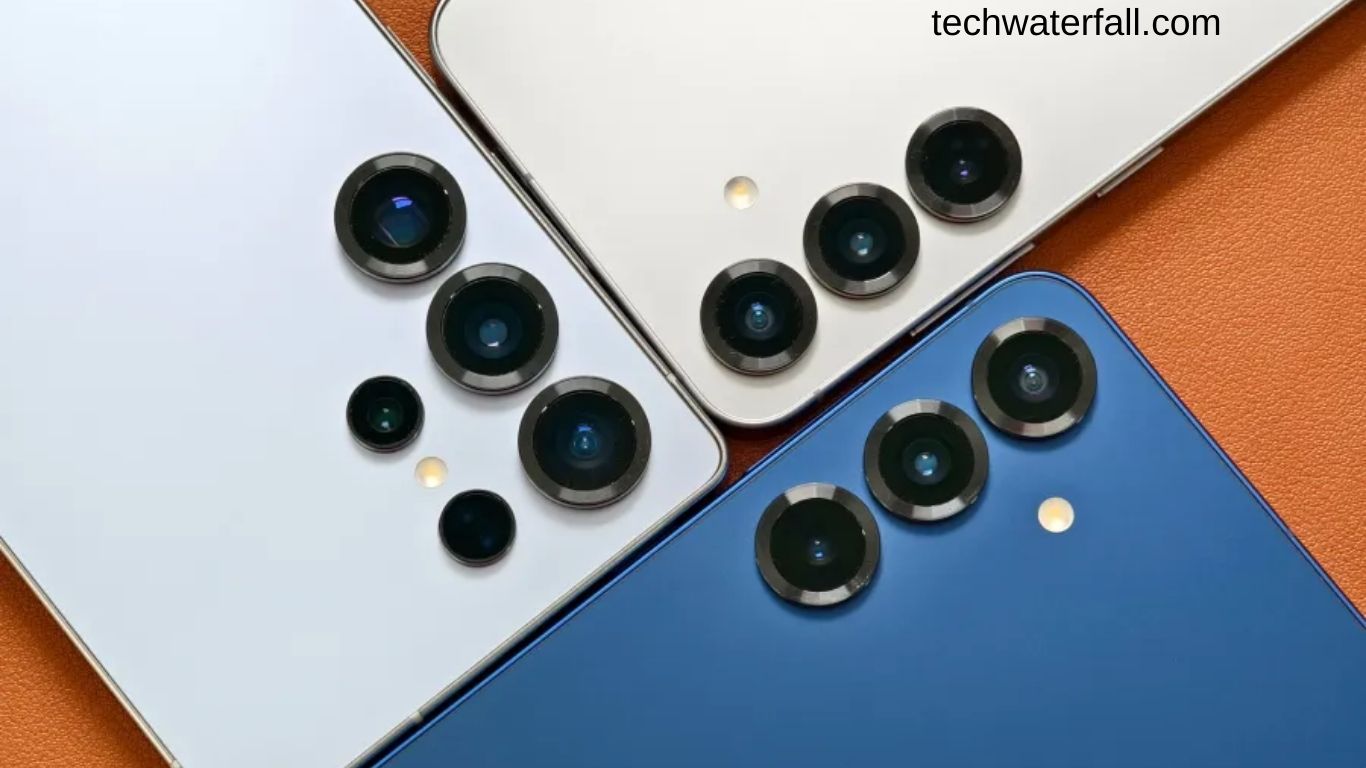
In today’s fast-paced digital world, our smartphones are more than just communication devices—they’re our everyday cameras, storytellers, and memory-keepers. With a single tap, we can freeze a magical sunset, capture the sparkle in a loved one’s eyes, or record a once-in-a-lifetime adventure. But here’s the truth: not all camera phones are created equal.
Choosing the right one can be overwhelming. iPhone or Android? Samsung, Google, Apple, or one of the rising stars like Xiaomi and Vivo? With more brands pushing the boundaries of mobile photography, the options in 2025 are endless—and the stakes are higher than ever.
That’s where this guide comes in. I’ve tested, reviewed, and compared the best camera phones of 2025, examining everything from image quality and low-light performance to video stabilization, editing features, and real-world usability. Whether you’re a casual snapper, an aspiring content creator, or a professional who demands DSLR-like quality from a pocket device, this list has you covered.
Read More: The Most Mind-Blowing XR Headsets of 2025 for Unmatched Virtual Adventures
So, grab your coffee, sit back, and let’s explore the most powerful camera phones that will supercharge your photography in 2025.
Quick-Glance: Top Picks for 2025
- Best Overall Camera Phone: Samsung Galaxy S25 Ultra
- Best Premium Apple Choice: iPhone 16 Pro / Pro Max
- Best for Sports & Action: OnePlus 13
- Best for Night Photography: Google Pixel 10 Pro / XL
- Best for Advanced Photographers: Xiaomi 15 Ultra
- Best for Close-ups & Macro: Vivo X200 Pro
- Best Value Flagship: Google Pixel 8 Pro
- Best Budget-Friendly Premium Alternative: Tecno Camon 40 Premier 5G
Samsung Galaxy S25 Ultra – The King of Camera Phones
If power, performance, and versatility had a baby, it would be called the Samsung Galaxy S25 Ultra. Samsung continues to set the benchmark with its 200MP main sensor, improved AI tools, and stunning 6.9-inch AMOLED display.
Pros:
- 3x high-resolution sensors
- Four rear lenses (two telephotos)
- Incredible AI-powered editing suite
- Bright, vibrant screen
Cons:
- High price tag
- No dedicated macro mode
From jaw-dropping landscapes to cinematic vlogs, the S25 Ultra delivers clarity and detail that rival professional cameras. If you want the absolute best photography experience on a phone in 2025, this is your champion.
iPhone 16 Pro / Pro Max – Apple’s Finest
Apple remains the go-to for many creators, and the iPhone 16 Pro / Pro Max keeps that tradition alive. With its new camera control button and refined ultra-wide lens, Apple delivers ease of use and image consistency like no other.
Pros:
- Intuitive new photo control button
- Consistently excellent image quality
- Best iPhone zoom to date
Cons:
- Weak macro capabilities
- Selfie camera could be stronger
If you’re deeply invested in Apple’s ecosystem, the 16 Pro / Max is the perfect blend of hardware and software magic.
OnePlus 13 – Built for Action and Speed
For those who chase fast-moving subjects—whether it’s sports, wildlife, or kids who never sit still—the OnePlus 13 shines. Thanks to its Hasselblad partnership and unique triprism telephoto lens, it produces crisp, blur-free action shots.
Pros:
- Excellent value for a flagship
- Hasselblad portrait modes
- Outstanding screen brightness
Cons:
- No 4K 120fps video
- Selfie camera lacks autofocus
This phone is a dream for action photography—fast, sharp, and vibrant.
Google Pixel 10 Pro / XL – Master of the Night
When the lights go down, the Google Pixel 10 Pro comes alive. Its astrophotography mode and AI-driven zoom make it one of the most reliable camera phones for night shooters.
Pros:
- Stunning low-light results
- Brilliant AI tools like “Add Me”
- Solid zoom performance
Cons:
- No 8K video
- Average macro shots
If you love shooting stars, city skylines at dusk, or cozy candlelit moments, this is your night photography powerhouse.
Xiaomi 15 Ultra – A Photographer’s Playground
The Xiaomi 15 Ultra is built for serious photographers who crave control. With Leica-tuned lenses, a massive 1-inch sensor, and raw shooting support, it’s practically a DSLR in your pocket.
Pros:
- Leica partnership with pro-grade optics
- Raw shooting and pro mode
- Huge 200MP telephoto lens
Cons:
- Pricey
- Limited availability
For advanced photographers, this is a creative powerhouse offering the flexibility and control that pros demand.
Vivo X200 Pro – Macro and Close-Up Champion
If details matter most, the Vivo X200 Pro is unbeatable. Its 200MP periscope telephoto lens captures close-ups with mind-blowing sharpness.
Pros:
- Stunning macro results
- Impressive low-light capabilities
- Zeiss-backed imaging features
Cons:
- Not widely available
- Colors sometimes oversaturated
Perfect for product photographers, nature enthusiasts, or anyone who loves detail-rich imagery.
Google Pixel 8 Pro – Best Value Flagship
Want cutting-edge photography without breaking the bank? The Pixel 8 Pro is the sweet spot. It combines AI wizardry with a robust triple-lens system.
Pros:
- Three high-resolution sensors
- Magic Editor & Best Take features
- Pro shooting mode
Cons:
- Price increase over Pixel 7
- No 1TB storage option
This is one of the most affordable ways to access flagship-level photography.
Tecno Camon 40 Premier 5G – Affordable Excellence
Don’t overlook Tecno. The Camon 40 Premier 5G delivers a premium triple-camera setup, including a 50MP selfie shooter, at nearly half the cost of big-brand rivals.
Pros:
- Incredible price-to-performance ratio
- High-resolution selfie camera with AF
- 4K 60fps video
Cons:
- Limited market availability
- Portrait outlines could be better
If you’re on a budget but refuse to compromise on quality, this is the underdog worth celebrating.
How to Choose the Perfect Camera Phone
When picking your next camera phone, here’s what to focus on:
- Sensor Size vs Megapixels: Bigger sensors capture more light, which matters more than raw megapixel count.
- Lens Variety: Multiple lenses (wide, ultra-wide, telephoto, macro) give you creative flexibility.
- Low-Light Performance: Look for wide apertures (f/1.8 or lower) and strong night modes.
- Video Specs: Creators should consider 4K 120fps or 8K options, plus stabilization.
- AI & Editing Tools: Features like Magic Editor, Reflection Removal, or Log profiles save time and unlock creativity.
Frequently Asked Questions:
Which phone has the best camera for photography in 2025?
The Samsung Galaxy S25 Ultra leads the pack with its 200MP sensor, advanced AI tools, and versatile lens system.
Are camera phones better than DSLRs in 2025?
While DSLRs still offer more manual control, the latest camera phones like the Xiaomi 15 Ultra and iPhone 16 Pro Max deliver DSLR-level results with portability and built-in AI features.
Which phone is best for night photography in 2025?
The Google Pixel 10 Pro stands out with its astrophotography mode and unmatched low-light performance.
What is the best iPhone for photography in 2025?
The iPhone 16 Pro and Pro Max are Apple’s strongest photography phones, featuring a new camera control button and improved zoom.
Which camera phone is best for beginners?
The Google Pixel 8 Pro is beginner-friendly with AI-powered editing tools like Magic Editor and Best Take, making photography easy and fun.
What phone offers the best value for photography in 2025?
The Tecno Camon 40 Premier 5G is an affordable gem, offering flagship-level photography features at a budget-friendly price.
Which phone is best for action shots and sports?
The OnePlus 13, with its Hasselblad partnership and fast-shooting telephoto lens, excels at capturing sharp, blur-free motion.
Conclusion
Photography in 2025 has reached an exciting new era where smartphones rival professional cameras in power, precision, and creativity. Whether you want to capture emotional portraits, breathtaking landscapes, or vibrant night scenes, today’s top camera phones deliver extraordinary results with just a tap. From the Samsung Galaxy S25 Ultra’s unmatched versatility to the Google Pixel 10 Pro’s night-shooting brilliance and the iPhone 16 Pro’s seamless ecosystem, there’s a perfect device for every photography style and budget.
