


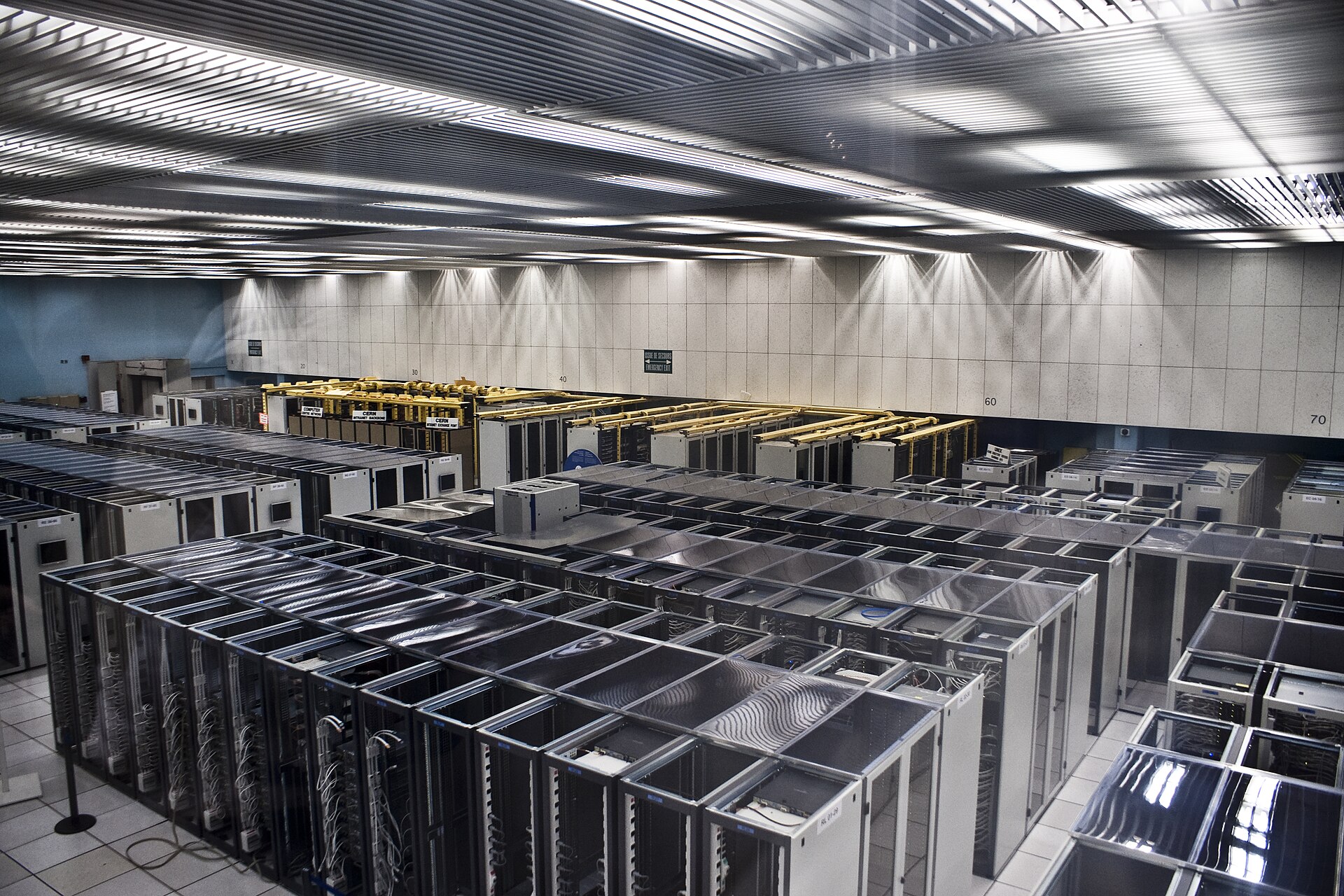
Data centres were once discussed mainly in terms of land, power and fibre connections. Increasingly, a fourth question dominates planning meetings: water. The facilities that train artificial intelligence models, stream video and store the world’s photographs need cooling on an enormous scale, and many designs drink deeply from local supplies. What was once an engineering footnote has become a public planning issue, argued over in council chambers and community meetings from Europe to North America and beyond.
The tension is understandable. A new data centre promises jobs, investment and tax revenue, yet it may arrive in a region already managing drought, housing growth or strained reservoirs. Residents reasonably ask who gets priority when taps and servers compete. Operators, for their part, argue that modern designs use far less than older ones and that the alternative — older, less efficient facilities elsewhere — may be worse overall.
Why Cooling Drinks So Much
Computing generates heat, and heat must go somewhere. Traditional designs evaporate water to carry that heat away, much as the body sweats. Evaporation is effective and can reduce electricity use, but it consumes water rather than merely borrowing it. The demand also peaks on the hottest days, precisely when communities and farmers feel scarcity most. Meanwhile the chips behind the current wave of artificial intelligence run hotter and are packed more densely, raising cooling needs per building even as efficiency improves.
Reporting and analysis from the International Energy Agency place data centre resource use in the wider context of a fast-growing digital economy: demand for computing keeps rising, so even impressive efficiency gains per calculation can be outpaced by sheer volume. That arithmetic is why local arguments about a single site often stand in for a larger question about how much digital growth a region wishes to host, and on what terms.
Towns Push Back
Communities have begun to push back, and in some places they have won pauses, conditions or outright refusals. Concerns are rarely only about litres. They include construction traffic, noise, the appearance of vast windowless buildings, pressure on electricity grids and a sense that decisions are made far away by companies that reveal little. Water, however, crystallises the debate, because it is tangible, local and essential in a way that abstract talk of the cloud is not.
Transparency has become a central demand. Residents and regulators increasingly expect operators to publish how much water a site uses, where it comes from, and how that varies across the year, rather than offering only annual averages that hide summer peaks. Some planning authorities now require water plans alongside power plans, favour designs that use recycled or non-potable water, and ask what happens in a drought year rather than an average one.
Engineering the Water Out
Engineers are responding. Air cooling and closed-loop systems recirculate the same water rather than evaporating it. Immersion cooling bathes components in specialist fluids. Newer sites are designed to run warmer, use free cooling from outside air for more of the year, and match their cooling method to the local climate instead of copying a design from somewhere wetter. Locating facilities where water is plentiful, or pairing them with investment in local water infrastructure, is also entering negotiations.
None of this removes the underlying trade-off, but it does change what good looks like. The planning conversation is maturing from a simple yes or no into a set of conditions: measure honestly, publish the figures, design for the driest plausible summer, and prefer recycled supplies. Data centres’ thirst has become a planning issue because communities have decided, reasonably, that invisible infrastructure should still be accountable for visible resources.
Read more on techwaterfall.com.in and in our Tech News pages.

1 Comment
Pingback: Connecting Your MediaTek Phone to a PC: A Beginner's Walkthrough - Tech Waterfall