


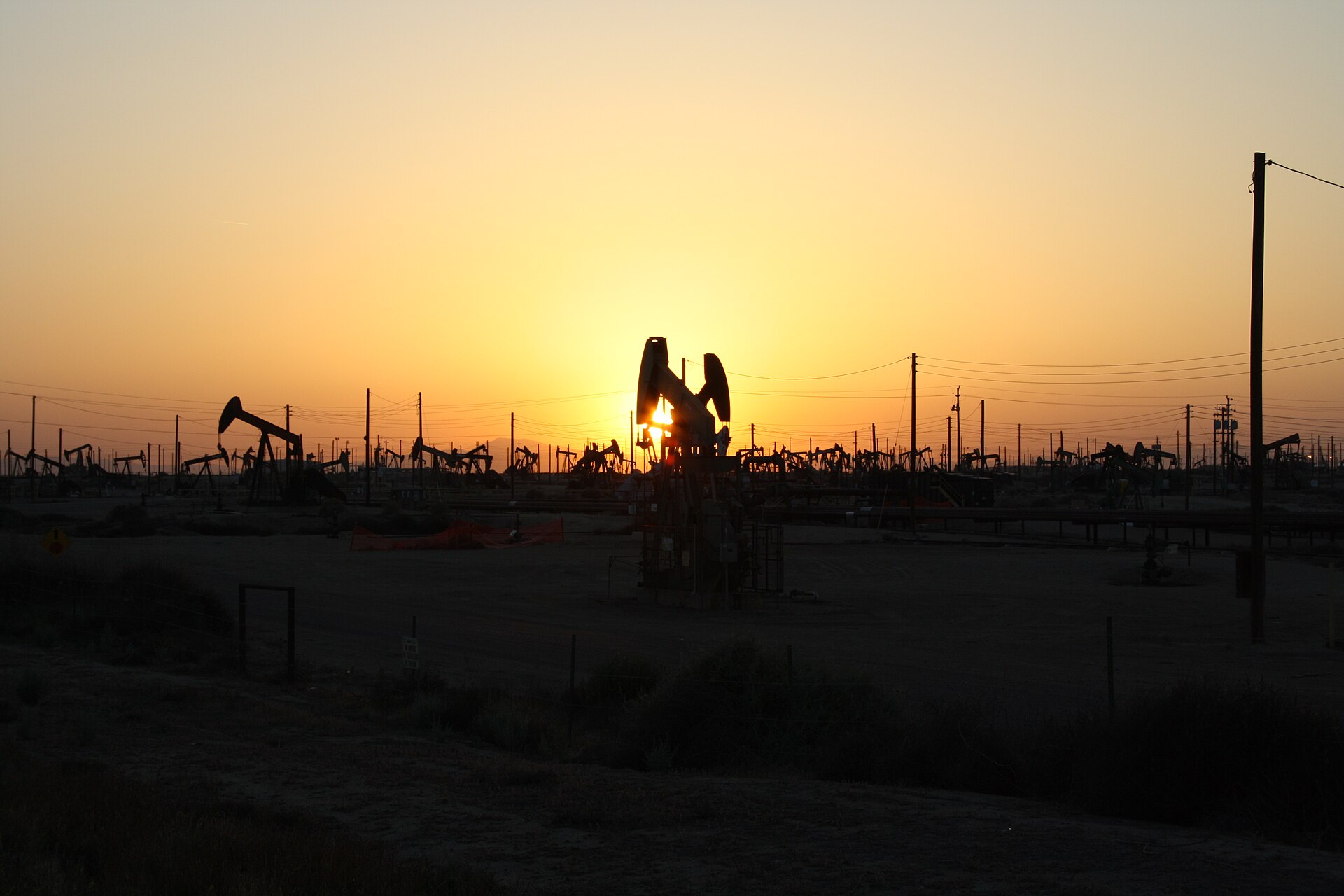
A major natural resource discovery is usually celebrated as a turning point for a nation’s fortunes. Yet economic history is full of countries that became poorer in important ways after striking oil or gas, because the boom undermined their farms and factories. This phenomenon has a memorable name — Dutch Disease — and it remains one of the most useful concepts for understanding why resource wealth so often disappoints.
The story begins in the Netherlands. After the discovery of the huge Groningen natural gas field in 1959, Dutch gas exports expanded rapidly through the 1960s and 1970s. Foreign earnings poured in, the guilder rose in value, and Dutch manufacturers found their exports increasingly uncompetitive. In 1977 The Economist dubbed the pattern Dutch Disease, and economists have used the term ever since for resource booms that damage a country’s other tradable industries. The IMF’s explainer on Dutch Disease remains a widely used introduction to the idea.
Two pressures squeeze the rest of the economy
The first pressure comes through the exchange rate. Resource exports generate foreign currency; selling that currency for local money pushes the local currency up. Every farmer, garment maker and software firm selling abroad then receives less local income for each dollar earned, while foreign goods flood in more cheaply. Profit margins in those sectors collapse even though their workers are no less skilled than before.
The second pressure is internal. The resource sector, earning exceptional profits, bids up wages and attracts scarce talent and investment. Construction booms around it, government spending rises with tax receipts, and prices for housing and services climb — a pattern economists bundle into the spending effect. Manufacturing and agriculture, unable to match the wages or pass on higher costs, shrink. Readers following our technology and markets reporting, including recent science coverage that drew wide readership, will recognise how quickly a single booming sector can dominate an entire national conversation.
Examples across continents
Oil-rich Nigeria illustrates the agricultural side of the disease: groundnut and cocoa exports that once financed the state withered as petroleum took over export earnings and policy attention. Venezuela shows the endgame, where near-total dependence on oil left the economy defenceless against the price collapse of the 2010s. In the 2000s, Canada’s oil sands boom strengthened the Canadian dollar enough that manufacturers in Ontario complained publicly of the same Dutch dynamic debated in European parliaments decades earlier.
The Norwegian exception
Norway demonstrates that the disease can be managed. Confronted with North Sea oil, it created a sovereign wealth fund that invests petroleum revenue overseas, and adopted a rule allowing only a small, sustainable share of the fund to enter the annual budget. By keeping much of the windfall outside the domestic economy, Norway limited currency appreciation and continued to support a diversified industrial base. Development economists at the World Bank frequently contrast such rules-based saving with the spend-as-it-arrives approach seen elsewhere.
Why the concept still matters
There is also a political dimension that pure economics can miss. Resource booms concentrate income in the hands of whoever controls the resource — usually the state and a small number of companies — and that concentration can weaken the bargaining power of farmers, manufacturers and workers whose sectors are quietly shrinking. By the time prices fall, the constituencies that might have demanded a more balanced economy are smaller and poorer than they were. This is one reason economists who study the phenomenon urge action early: diversification is far easier to protect while other industries are still healthy than to rebuild after they have gone, and the political will to save tends to evaporate precisely when the money is flowing fastest.
New discoveries — gas off Mozambique and Senegal, lithium across the Andes, oil in Guyana, now one of the world’s fastest-growing economies — mean finance ministries are again weighing the same trade-offs. The durable lesson of Dutch Disease is that the danger lies not in the ground but in the response: exchange rates, spending discipline and investment in broad-based productivity decide whether a windfall becomes a foundation for prosperity or a slow erosion of everything else the economy produces.
