


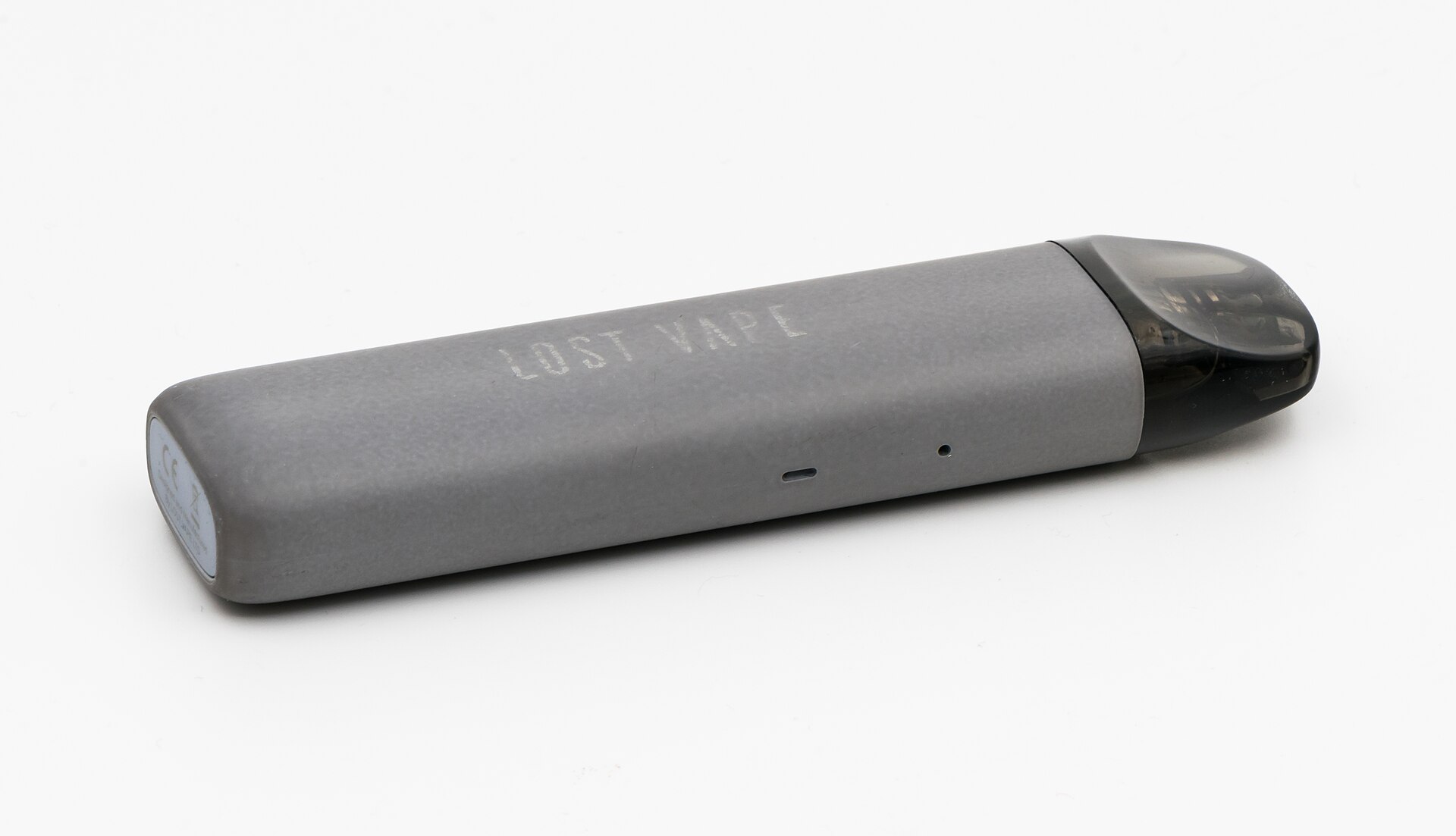
Switching from cigarettes to an electronic cigarette is often described as a fresh start for the lungs. But does the habit that helped someone quit smoking carry its own risk of lung cancer years down the line? It is a reasonable question, and the scientific community’s answer is nuanced: vaping exposes the lungs to far fewer carcinogens than smoking, yet the research needed to declare it safe over a lifetime simply has not had time to accumulate.
To see why, consider what each product delivers. A lit cigarette burns tobacco at high temperature, generating smoke loaded with tar, carbon monoxide and scores of cancer-causing chemicals. An e-cigarette instead heats a liquid of nicotine, flavourings and carrier fluids into an inhalable aerosol. According to the US Centers for Disease Control and Prevention, that aerosol contains fewer harmful chemicals than smoke, but it is not harmless water vapour, and the agency advises non-smokers, young people and pregnant women to avoid e-cigarettes entirely.
Evidence still catching up with the habit
Cancer epidemiology works on long clocks. The signature lung cancers of smoking typically appear after decades of exposure, and mass vaping is barely fifteen years old. Large prospective studies — the kind that can separate cause from coincidence — are under way but immature. In the meantime, our newsroom’s earlier health reporting, such as our coverage of a personalised cancer vaccine study, shows how carefully early-stage findings in cancer research need to be read.
Laboratory evidence fills part of the gap. Chemical analyses of vapour find known irritants and some carcinogens, including formaldehyde formed when liquids are overheated, plus microscopic metal particles shed by heating coils. Experiments in animals and cultured human cells show aerosol can trigger oxidative stress and genetic damage in lung cells. These results justify caution and further study, though they cannot by themselves tell us how many human cancers, if any, vaping will eventually cause.
The former-smoker complication
Interpreting human data is complicated by the fact that the typical vaper is an ex-smoker carrying a legacy of tobacco damage. A 2024 study of people who had quit smoking reported that those using e-cigarettes were more likely to develop lung cancer than those who used no nicotine product, which drew wide attention. Specialists responding to the paper pointed out a key limitation: precisely measuring each person’s prior smoking history is notoriously hard, and heavier past smoking could explain part of the difference.
The National Cancer Institute currently states that whether e-cigarette use increases lung cancer risk is unknown, and cancer charities take a similar line — vaping is substantially less harmful than smoking, but long-term effects remain under investigation.
Relative risk and the dual-use trap
For smokers, the comparison that matters most is against continuing to smoke, and there the evidence is strong: complete switching cuts exposure to most toxicants dramatically. The trap is dual use, where someone vapes but keeps smoking some cigarettes. Because even moderate smoking carries serious risk, dual users may gain far less than they assume. Health services therefore frame vaping, if used at all, as a complete replacement for cigarettes and ideally a temporary one.
What this means in practice
One more strand of research deserves mention: the biomarkers that bridge lab work and human outcomes. When smokers switch completely to vaping, studies measuring tobacco-specific nitrosamines and other carcinogen metabolites in urine and blood generally record steep declines within weeks, often approaching the levels seen in people using nicotine replacement therapy. That does not prove the absence of long-term risk — some aerosol toxicants have no equivalent biomarker history — but it is concrete human evidence, not just chemistry, that exposure falls dramatically. It is also why many specialists resist framing the debate as a choice between safe and dangerous. The realistic framing is a spectrum of risk, with cigarettes at the extreme end, complete abstinence at the other, and vaping somewhere in between, its exact position still being measured.
If you used e-cigarettes to quit smoking, researchers would say you have taken the single most important step already by putting cigarettes behind you. The evidence supports a next goal of tapering off vaping too when you can, since the long-term safety of inhaling vapour is unproven. Persistent coughing, breathlessness or chest pain always warrant a prompt conversation with a doctor, and anyone seeking tailored guidance on quitting or on lung cancer screening should consult healthcare professionals directly — general reporting like this cannot replace personal medical advice.
