


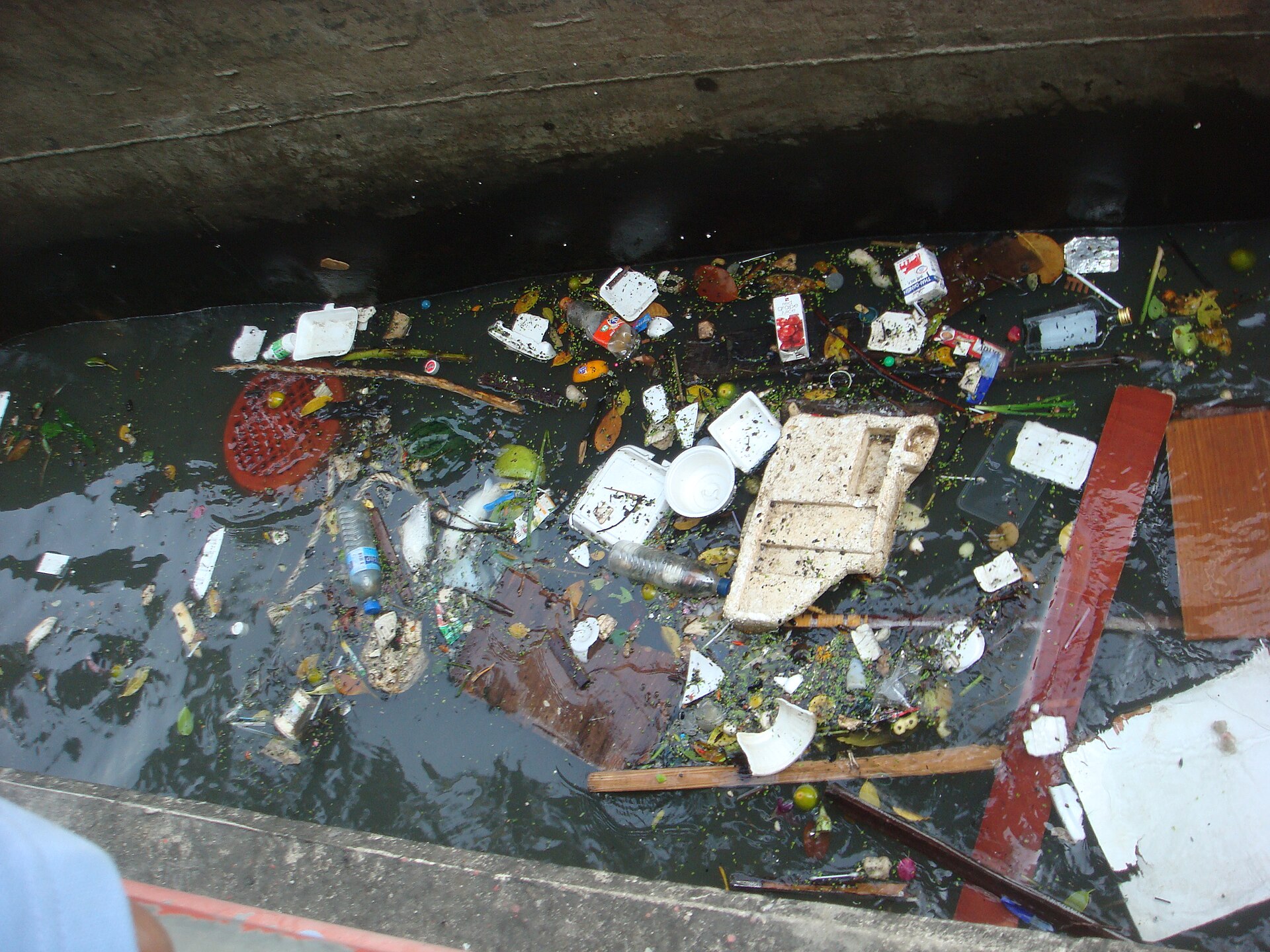
They have been found in Arctic ice and deep-sea sediment, in table salt and bottled water — and, in a series of studies that landed with a thud, in human lungs, blood, placentas, arteries and brain tissue. Microplastics, fragments smaller than a grain of rice and often far smaller, are now a measurable constituent of the human body. The science of what that means is young, contested and moving fast.
The detection studies are the solid ground. Using spectroscopy and pyrolysis techniques, teams have identified polymers such as polyethylene and polystyrene in surgical tissue samples, with one widely discussed study finding substantially higher concentrations in brain samples than in liver or kidney — and higher levels in more recent samples than in older ones, tracking the rise of plastic production. Our science coverage has reported these findings with the caution their authors themselves urge.
The Hard Part: From Presence to Harm
Finding particles is not the same as proving damage, and this is where the field argues with itself. A 2024 study of patients with carotid artery plaque found those with detectable microplastics had a higher risk of heart attack, stroke or death over the following years — an association, not a mechanism. Laboratory work shows plastic particles and their chemical additives can provoke inflammation in cells and animals, often at doses far above human exposure. The World Health Organization‘s assessments have consistently concluded that the evidence of harm at real-world levels remains insufficient — while calling, pointedly, for far better research.
Doing that research is fiendishly difficult. Plastic is everywhere in a laboratory too — in air, clothing, equipment — so contamination control decides a study’s credibility. There are no standardised methods for counting particles in tissue, few reference materials, and no unexposed control population left on Earth. Two labs measuring the same sample can report numbers an order of magnitude apart.
What Follows From Uncertainty
Uncertainty is not a verdict of safety, and the exposure trend runs one way: global plastic production continues to climb, and every year’s output becomes future fragments. Regulators have begun with the easy wins — microbeads in cosmetics banned in many countries, single-use items restricted — while scientists argue the priority should be measuring the exposure routes that dominate, likely food, water and indoor air.
The Exposure Audit Nobody Can Opt Out Of
Researchers attempting to rank exposure routes describe a hierarchy that surprises most people. Indoor air — fibres shed from clothing, carpets and upholstery, inhaled in the rooms where we spend ninety percent of our lives — may dominate. Drinking water and food follow, with seafood, despite the headlines, a smaller contributor than the mythology suggests. Infants, crawling through floor dust and mouthing the world, carry exposures per kilogram that exceed adults’ — a fact that concentrates researchers’ minds wonderfully.
Personal countermeasures exist at the margins: ventilate, vacuum with good filtration, favour natural fibres, do not heat food in plastic. Scientists mention them with an honesty bordering on reluctance, because the arithmetic of a problem measured in millions of tonnes will not be solved by consumer virtue. The levers that match the scale are production, product design and waste systems — which is why a story that begins in a pathology lab ends, as environmental stories tend to, in industrial policy.
For readers wondering what to do with uncertain science, toxicologists offer proportion rather than paralysis: the exposure routes best supported by evidence — indoor dust, synthetic textiles, heated plastics in contact with food — are also among the easiest to reduce, and none of the sensible reductions requires waiting for the dose-response curves.
The honest summary is uncomfortable in both directions: we are, demonstrably, full of plastic; we do not yet know what it costs us. Few environmental stories better deserve the slow, careful science now being thrown at them. More at techwaterfall.com.in.
